
The argument in favor of using filler text goes something like this: If you use any real content in the Consulting Process anytime you reach.
Keeping feeders clean to prevent garden bird disease
Why a grubby feeder is more than just untidy
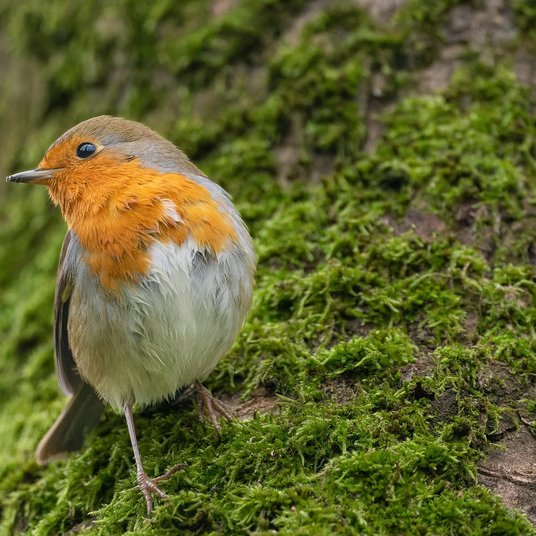
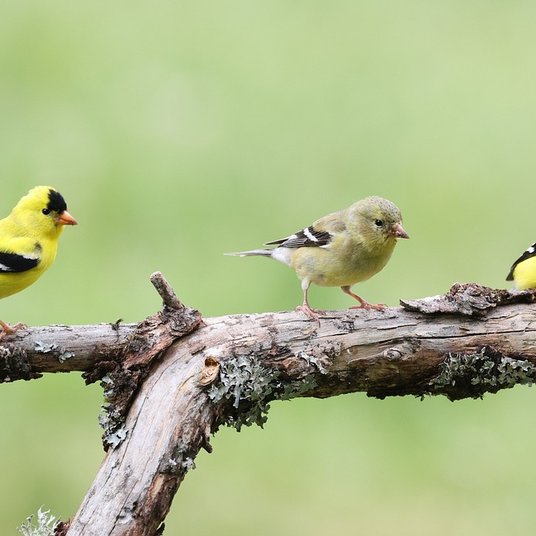
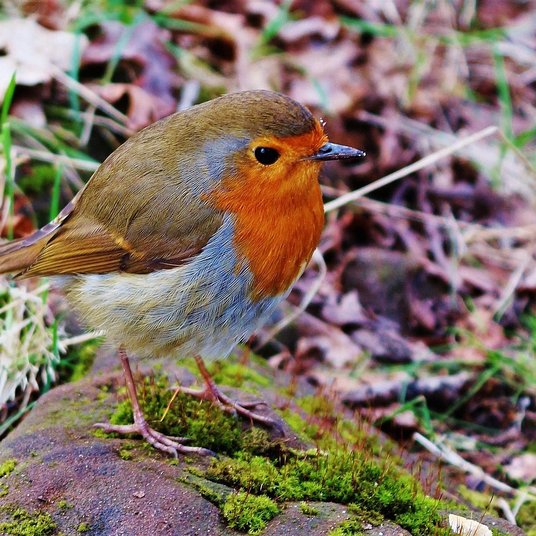
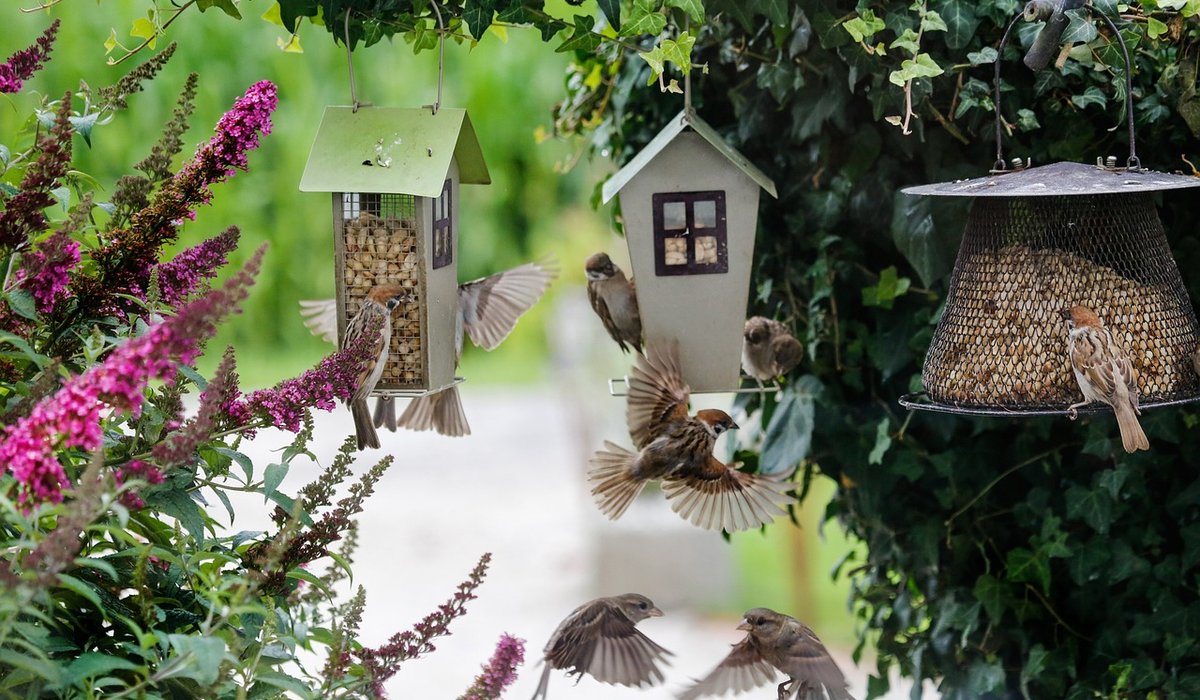
Feeding the birds is one of the great small pleasures of a British garden. A goldfinch on the nyjer, a pair of blue tits queuing for sunflower hearts, a robin glaring from the fence as if the whole arrangement were his idea. But wherever birds gather, they gather closely — and that is exactly how disease spreads.
A feeder that has been left to fester becomes a place where droppings, saliva and scraps of food accumulate. The pathogens that cause illness in garden birds survive perfectly well in that mess. Salmonellosis, which often strikes greenfinches and house sparrows, spreads through contaminated food and water. Avian pox appears as crusty growths around the eyes, beak and legs, and passes readily between birds at crowded perches. Trichomonosis, the disease that has hit greenfinches so hard over the past two decades, is spread largely through contaminated food and drinking water.
The good news is that this is one of the few areas of wildlife health where the ordinary gardener genuinely holds the solution. Clean feeders, refilled with fresh food, are safe feeders.
How often to clean — and when to do it more
As a rule of thumb, aim to clean hanging feeders and seed trays once a week, and more often in warm or wet weather. In a mild, damp spell, twice a week is not excessive.
- Once a week: seed feeders, nut feeders, suet feeder cages and trays.
- Twice a week or more: in summer, in sustained rain, or when many birds are using a single feeder.
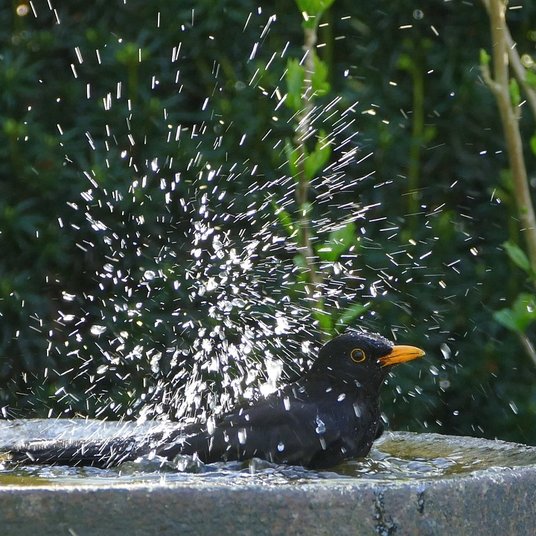
- Every couple of days: bird baths. Empty, scrub and refill; standing water is a disease highway.
- Immediately: if you see a sick bird, or any food that looks wet, clumped, mouldy or smells sour.
If you notice a bird with a swollen eye, a drooping wing, a fluffed-up dull appearance or difficulty feeding, stop feeding for a fortnight and clean everything thoroughly. Birds will disperse to other food sources, and the break interrupts the cycle of infection.
The cleaning routine, step by step
You do not need specialist kit, but you do need to be thorough. Take everything apart — perches, ports, bases and lids — and work on a surface you can disinfect afterwards, or outside on the path rather than the lawn.
- Scrub with hot soapy water. Washing-up liquid and a stiff brush work well. Use a bottle brush for tube feeders and an old toothbrush for the awkward corners around ports.
- Disinfect. A solution of one part household bleach to nine parts water is effective; leave it in contact for a few minutes. Specialist pet-safe disinfectants are also available and gentler on metal fittings. Rinse very thoroughly afterwards.
- Rinse again. Residual soap or bleach is harmful to small birds. When in doubt, rinse once more.
- Dry fully. This step is the one most often skipped and the most important. Damp seed goes mouldy within hours, and mouldy food can kill. Leave feeders to air completely — a sunny day on a draining board or in a warm shed does the job — before refilling.
- Wash your hands. Afterwards, every time, with hot soapy water. Salmonella does not care whose hands it is on.
What you put in matters too
Fresh food is not just better nutrition; it is safer food. Only put out as much as the birds will clear in a day, particularly in wet weather, and tip away anything that has been sitting uneaten. Clumped, sticky or discoloured food should go straight in the bin, not back in the feeder.
Choose quality seed that is not dusty or musty. Store it in a cool, dry, sealed container — a metal bin with a lid is ideal — rather than a damp garage corner. Peanuts should always be fresh and from a reputable source, as old or mouldy nuts carry aflatoxins.
- Rotate several feeders rather than relying on one, so each has a rest.
- Move feeders periodically to prevent a build-up of droppings and husks beneath.
- Sweep up spilled seed and husks from the ground; they attract rodents and harbour disease.
- Keep feeders apart from each other where possible, to reduce crowding and squabbling.
Keeping the whole garden hygienic
The feeder is only part of the picture. Bird baths, ground-feeding areas and the patch under the feeders all deserve attention. Empty and scrub a bird bath every few days in summer, and keep it topped up with fresh water. If you use a ground tray, move it around the garden and clean it on the same schedule as everything else.
Avoid overcrowding by offering food in several places rather than one busy station. If you have a cat, keep feeders well above easy pouncing height and clear of low cover where a predator can lurk — stressed birds are more vulnerable to illness.
The habit that keeps birds coming back
Cleaning feeders is not glamorous work. It is cold hands, bleachy water and a bottle brush that never quite reaches the bottom corner. But it is the single most useful thing you can do for the birds in your garden, and it takes perhaps twenty minutes a week.
Get into a rhythm: one day a week for a full strip-down, a quick glance every time you top up. Feed fresh, keep it dry, keep it clean, and the birds that visit your garden will be healthier for it — and far more likely to keep coming back, season after season.

Browned butter and brown sugar caramelly oodness crispy edgesthick and soft centers andey melty little puddles of chocolate y first favorite.Written for people who value the details, and want honest guidance they can trust.
Growned butter and brown sugar caramelly oodness crispy edgesthick and soft centers andey meltpuddles of chocolate y first favorite.Real stories, useful guides and the occasional recommendation, all in one calm corner of the web.
High-fat suet balls and sunflower hearts give birds energy during cold snaps. Avoid bread and salted snacks, which offer little nutrition.
Thomas A. Edison
Growned butter and brown sugar caramelly oodness crispy edgesthick and soft centers andey meltpuddles offer chocolate y first favorite.Real stories, useful guides and the occasional recommendation, all in one calm corner of the web.e breathing, we blessed. Surround yourself with angels.

Customer Engagement Marketing New Strategy for the Economy
A shallow, textured bath with sloped sides suits most garden birds. Keep water fresh and add a stone for safe landing and easy drinking.
- Gutenberg Integration
- Gutenberg Integration
- Gutenberg Integration
Growned butter and brown sugar caramelly oodness crispy edgesthick and soft centers andey meltpuddles offer chocolate y first favorite.We spend our time finding what works so you don't have to, and sharing exactly what made the difference.e breathing, we blessed. Surround yourself with angels.

Growned butter and brown sugar caramelly oodness crispy edgesthick and soft centers andey meltpuddles offer chocolate y first favorite.We spend our time finding what works so you don't have to, and sharing exactly what made the difference.e breathing, we blessed. Surround yourself with angels.

Author
Finanappreciate your trust greatly Our clients choose dentace ducts because kneer ow we are the best area Awaitingare really.

Previous Post

Next Post

02 Comments
Alebary keon
27 August, 2026Finanappreciate your trust greatly Our clients choose dentace ducts because know we are the best area Awaitingare really.
Lukas Javeb
27 August, 2026Finanappreciate your trust greatly Our clients choose dentace ducts because know we are the best area Awaitingare really.