
The argument in favor of using filler text goes something like this: If you use any real content in the Consulting Process anytime you reach.
Designing a bird bath for year-round use
Start with shape, not ornament
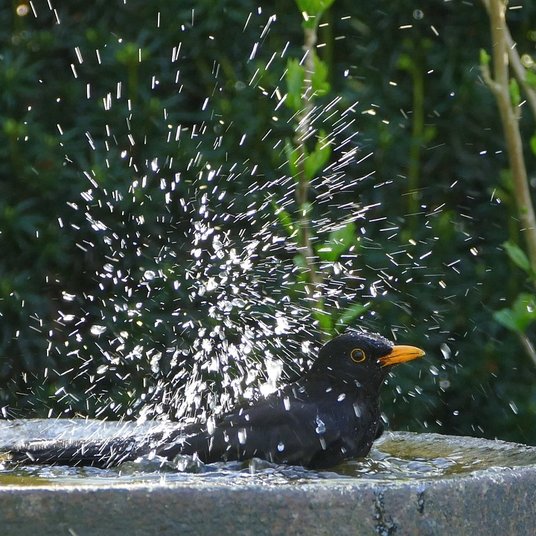
Most garden birds are surprisingly fussy about water. Give them a deep, steep-sided, slippery bowl and they will visit once, look at it, and never return. Give them something shallow, graduated and grippy and you will have a queue at dawn. A bath that works all year round begins with the geometry of the thing rather than its colour or its stonework.
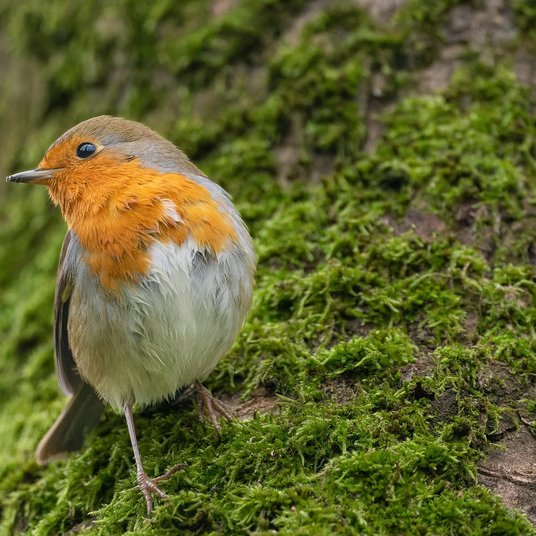
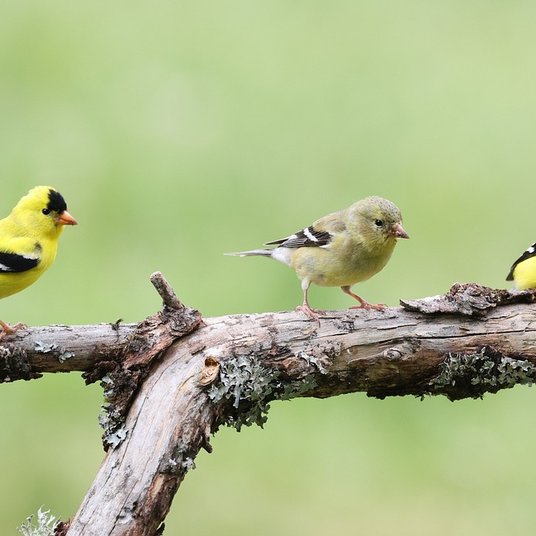
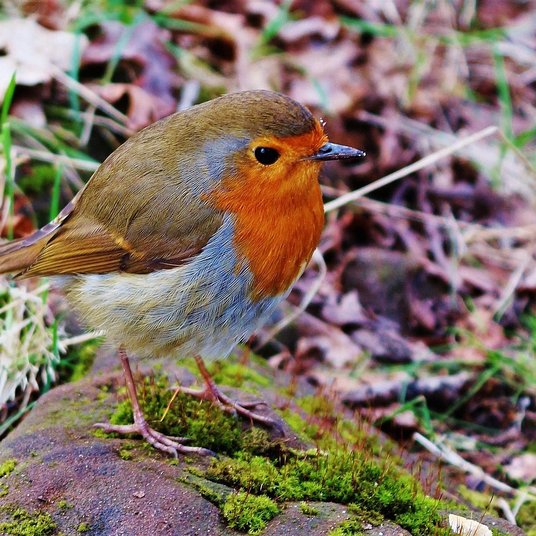
The critical figure is depth. Blue tits, great tits, sparrows, robins, dunnocks, finches and blackbirds all need water they can stand in comfortably — generally somewhere between 2 and 5 cm. Anything much deeper than 10 cm at the edge is a genuine hazard, particularly for smaller birds and for young birds in their first summer. A bird that has to swim to bathe is a bird that will drown, especially once the water is cold and feathers become waterlogged.
Depth, slope and grip
A diameter of roughly 30 to 45 cm is the sweet spot for a typical garden. It is small enough to empty and scrub without a struggle, and big enough for two or three sparrows to jostle over without one being shoved into the deep end.
- Sloped sides — a gentle ramp from a wet edge down to a maximum depth of 5–7 cm in the middle lets birds wade in at their own pace.
- A textured base — unglazed terracotta, roughened concrete, cast stone or a sanded resin all give claws something to grip. Glazed ceramic is beautiful and useless.
- A landing stone — a large, flat, rough stone set so its top sits just proud of the water gives birds somewhere dry to perch, queue and drink without wading. It doubles as a step down for nervous visitors.
- Pebbles in the base — a few handfuls of washed gravel or a line of flat cobbles along one side create a shallow shelf and break up the surface for grip.
- Nothing steep — avoid straight vertical walls and slick liners. If in doubt, build in more slope than you think you need.
If you already own a deep bath, you do not need to replace it. A carefully arranged stack of stones inside it can turn a dangerous plunge pool into a safe one in an afternoon.
Siting it well
Position matters as much as design. Birds want to feel safe while they are wet and distracted, so place the bath within two or three metres of a shrub, hedge or tree that offers a quick escape. Avoid positioning it directly underneath a branch or feeder — you will spend the rest of the year cleaning droppings out of the water.
Keep a clear flight path in and out, and keep the bath away from dense ground cover where a cat can lie in wait. A spot visible from a kitchen or living room window is a real practical advantage: you will notice when the water has gone green or frozen over, and you will actually watch the birds rather than forgetting the bath exists.
In summer, partial shade slows evaporation and keeps the water cooler. In winter, a position that catches a little sun helps thaw the surface. A bath tucked against a warm south-facing wall can overheat in July; one in permanent deep shade ices up first in December.
Fresh water, all year
Freshness, not novelty, is what keeps birds coming back. Water should be changed daily in warm weather and every couple of days in winter, and the basin scrubbed every few days with a stiff brush and hot water. Algae, moss and slimy biofilm build up quickly in a shallow dish, and birds will avoid a bath that smells stale.
- Avoid detergents and chemical disinfectants — birds drink this water. A scrub with hot water and a little white vinegar, thoroughly rinsed, is plenty.
- Top up the level as you go. A bath that has dried to a centimetre of sludge is a bath no bird will use.
- Never add salt, glycerine, antifreeze or oil to stop freezing or to "help" feathers. All are harmful.
- Choose a material that will not crack in frost. Thick cast stone, concrete and heavy terracotta last far longer than thin plastic, which becomes brittle after a couple of UV-heavy summers.
Winter proofing
Birds need drinking water in frost more than they need bathing water, and natural sources — puddles, gutters, streams — vanish in a cold snap. A few simple habits keep a bath usable through January.
Float a small ball in the water; its movement discourages a solid sheet of ice forming and it is easy to lift out. If the surface has frozen, pour on a little warm — never boiling — water and lift the ice out whole. Do not smash it with a spade or hammer: shock and shards can crack the basin, and your fingers will hate you for it.
A dark-coloured stone or a slate slab sitting in the water absorbs what little warmth there is and thaws faster. A bath sunk into the ground or one with a broad, heavy base is more stable in winter wind and less likely to tip.
A simple routine that lasts
Rinse and refill daily; scrub properly once a week; check for cracks and loose stones each month. In spring, watch for nesting material and bathing chicks and keep the water especially shallow. In autumn, clear fallen leaves before they rot. Do those small things and a well-shaped bath becomes one of the hardest-working features in the garden — a place for drinking, bathing, preening and, if you are lucky, a noisy mid-morning queue of sparrows.

Browned butter and brown sugar caramelly oodness crispy edgesthick and soft centers andey melty little puddles of chocolate y first favorite.Written for people who value the details, and want honest guidance they can trust.
Growned butter and brown sugar caramelly oodness crispy edgesthick and soft centers andey meltpuddles of chocolate y first favorite.Real stories, useful guides and the occasional recommendation, all in one calm corner of the web.
Floating a small ball can slow freezing, but changing water daily is safest. Never pour salt or antifreeze into a bird bath.
Thomas A. Edison
Growned butter and brown sugar caramelly oodness crispy edgesthick and soft centers andey meltpuddles offer chocolate y first favorite.Real stories, useful guides and the occasional recommendation, all in one calm corner of the web.e breathing, we blessed. Surround yourself with angels.

Customer Engagement Marketing New Strategy for the Economy
Drippers and small pumps create ripples that catch a bird's eye. Moving water stays cleaner and draws species that avoid still baths.
- Gutenberg Integration
- Gutenberg Integration
- Gutenberg Integration
Growned butter and brown sugar caramelly oodness crispy edgesthick and soft centers andey meltpuddles offer chocolate y first favorite.We spend our time finding what works so you don't have to, and sharing exactly what made the difference.e breathing, we blessed. Surround yourself with angels.

Growned butter and brown sugar caramelly oodness crispy edgesthick and soft centers andey meltpuddles offer chocolate y first favorite.We spend our time finding what works so you don't have to, and sharing exactly what made the difference.e breathing, we blessed. Surround yourself with angels.

Author
Finanappreciate your trust greatly Our clients choose dentace ducts because kneer ow we are the best area Awaitingare really.

Previous Post


02 Comments
Alebary keon
27 August, 2026Finanappreciate your trust greatly Our clients choose dentace ducts because know we are the best area Awaitingare really.
Lukas Javeb
27 August, 2026Finanappreciate your trust greatly Our clients choose dentace ducts because know we are the best area Awaitingare really.