
The argument in favor of using filler text goes something like this: If you use any real content in the Consulting Process anytime you reach.
How to attract robins to your garden
Why some gardens suit robins better than others
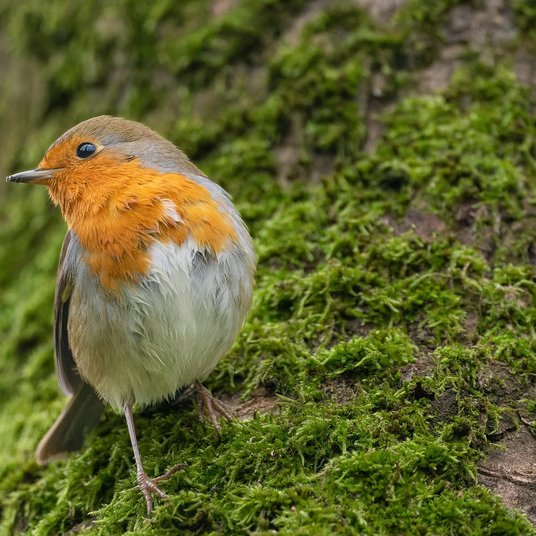
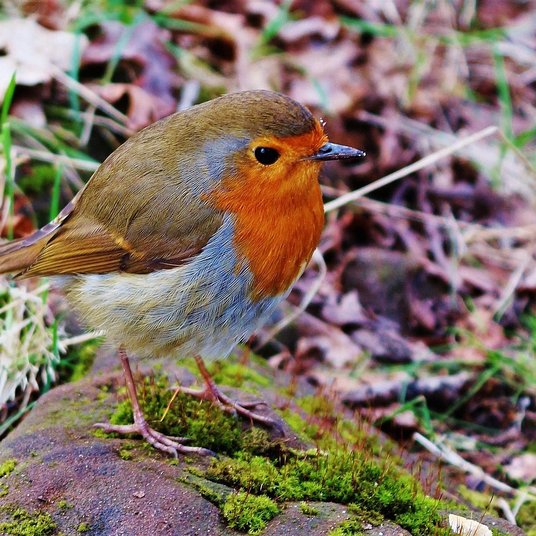
The robin is one of the boldest birds in Britain, and one of the easiest to encourage. It will hop onto a spade handle while you dig, follow a wheelbarrow across the lawn and sit inches from a window watching you fill the feeder. That confidence is not affection in the human sense, but it is curiosity and opportunism, and it means a robin will reward even a small garden if you give it the right things.
Robins are insect eaters by nature. They need damp, workable soil, a good supply of small invertebrates and plenty of low cover to retreat into between meals. A garden with a thick hedge, a patch of ivy on a wall, a shrubby corner and some bare or lightly mulched ground will always beat a neat, dry lawn with nothing else in it.
It also helps to understand that robins are fiercely territorial all year round. A pair may hold the same patch for as long as they live, and both the male and the female sing. In winter they defend separate territories, sometimes singing at night under streetlights; in spring they pair up and nest. The robin singing from your fence in January is very likely the same one that will raise young in your hedge in May.
What to feed robins — and what to skip
Mealworms are the single most reliable offering for robins. They take them from a tray, a ground feeder or a bird table, and they will return again and again once they know the supply is dependable. Offer them little and often rather than in a great heap, as robins tend to take one item at a time and fly off to eat it.
- Live mealworms are irresistible, especially during the breeding season when growing chicks need soft protein.
- Dried mealworms are cheaper and tidier — soak them in warm water for twenty minutes first to make them easier to swallow.
- Suet, particularly suet pellets or crumbly suet blocks, gives valuable energy in cold weather.
- Sunflower hearts are taken readily and leave no messy husks behind.
- Robin-specific mixes usually combine suet, dried insects and fine seeds, which suits their small beak better than coarse seed blends.
Skip bread, which fills birds up without nourishing them, and avoid whole peanuts outside a proper mesh feeder. Never put out salted, mouldy or cooked leftovers. A shallow tray on or near the ground, placed within a metre or two of a shrub, is the ideal feeding station — robins dislike crossing open ground to reach food.
Planting for shelter, nesting and natural food
If you want robins to stay rather than visit, plant for cover. Hawthorn, blackthorn, holly, honeysuckle, dog rose, pyracantha and cotoneaster all create the dense, prickly tangle robins love, and they provide berries and insects into the bargain. Ivy is one of the best plants in any wildlife garden: it offers nesting sites, shelter and late-season nectar.
Try to be a slightly untidy gardener. Leave a pile of leaf litter in a corner, allow a patch of long grass, and stop using pesticides and slug pellets, which remove the insects robins depend on and can poison the birds themselves. When you dig or turn the compost, stand back for a moment — any robin within earshot will be there almost immediately.
Nest sites, boxes and nest etiquette
Robins use open-fronted nest boxes rather than the enclosed hole-fronted type used by blue tits. Site one about 1.5 to 2 metres up, tucked into ivy, honeysuckle or a dense climber, and face it between north and east so it avoids the worst of the sun and driving rain. Robins will also nest in the most unlikely places: a hanging basket, an old kettle, a shelf in a shed, a plant pot left undisturbed.
Breeding runs from March to July, and a pair may raise two or three broods. All wild birds' nests, eggs and young are legally protected in the UK, so once a nest is in use leave it strictly alone. Avoid trimming hedges or cutting back climbers between March and August, and resist the temptation to peer inside. If you find a nest while gardening, quietly work elsewhere and let the birds settle.
Water, hygiene and year-round care
A shallow bird bath, no more than two to four centimetres deep, will be used constantly. Keep it clean, refill it daily in hot weather and float a small ball in winter to keep a drinking hole open when it freezes. Robins bathe enthusiastically even in cold weather, so clean water matters as much as food.
Disease is a real risk at busy feeding stations. Wash feeders and trays every week in hot soapy water with a mild disinfectant, rinse thoroughly, dry them and move them to a different spot in the garden every few weeks so droppings do not build up in one place. Discard any food that looks damp or mouldy immediately.
Enjoying robins without disturbing them
The best way to watch robins is to sit still and low, a few metres back from the feeder, and let them come to you. They quickly learn a routine, and many will arrive within seconds of hearing a fork go into the soil. Do not hand-feed or try to tempt them indoors; a robin that loses its wariness of people, cats and windows is a robin in danger.
Watch for courtship feeding in spring, when the male passes food to the female, and for the speckled, brown-breasted juveniles of summer — a young robin has no red breast at all until its first autumn moult. A garden that offers insects, cover, clean water and a little quiet patience will hold robins all year, and few things in British gardening are more rewarding than that.

Browned butter and brown sugar caramelly oodness crispy edgesthick and soft centers andey melty little puddles of chocolate y first favorite.Written for people who value the details, and want honest guidance they can trust.
Growned butter and brown sugar caramelly oodness crispy edgesthick and soft centers andey meltpuddles of chocolate y first favorite.Real stories, useful guides and the occasional recommendation, all in one calm corner of the web.
House sparrows thrive in gardens with dense hedges, dust baths and reliable seed. Small changes can help this familiar bird return to your patch.
Thomas A. Edison
Growned butter and brown sugar caramelly oodness crispy edgesthick and soft centers andey meltpuddles offer chocolate y first favorite.Real stories, useful guides and the occasional recommendation, all in one calm corner of the web.e breathing, we blessed. Surround yourself with angels.

Customer Engagement Marketing New Strategy for the Economy
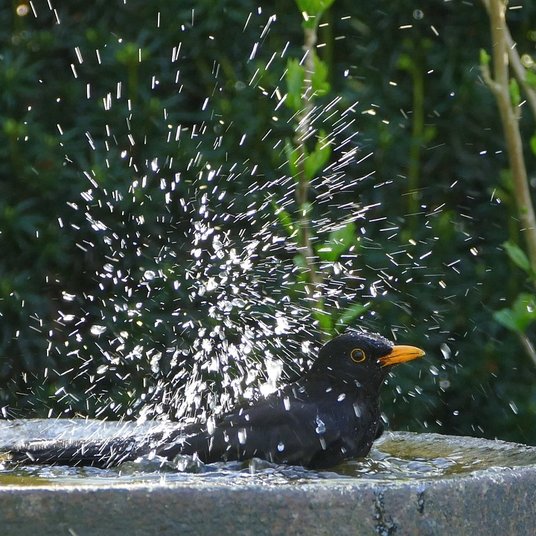
Blackbirds sing at dawn and dusk, forage on lawns and nest in ivy. Watch their routines to provide food and shelter at the right times.
- Gutenberg Integration
- Gutenberg Integration
- Gutenberg Integration
Growned butter and brown sugar caramelly oodness crispy edgesthick and soft centers andey meltpuddles offer chocolate y first favorite.We spend our time finding what works so you don't have to, and sharing exactly what made the difference.e breathing, we blessed. Surround yourself with angels.

Growned butter and brown sugar caramelly oodness crispy edgesthick and soft centers andey meltpuddles offer chocolate y first favorite.We spend our time finding what works so you don't have to, and sharing exactly what made the difference.e breathing, we blessed. Surround yourself with angels.

Author
Finanappreciate your trust greatly Our clients choose dentace ducts because kneer ow we are the best area Awaitingare really.

Previous Post


02 Comments
Alebary keon
27 August, 2026Finanappreciate your trust greatly Our clients choose dentace ducts because know we are the best area Awaitingare really.
Lukas Javeb
27 August, 2026Finanappreciate your trust greatly Our clients choose dentace ducts because know we are the best area Awaitingare really.