
The argument in favor of using filler text goes something like this: If you use any real content in the Consulting Process anytime you reach.
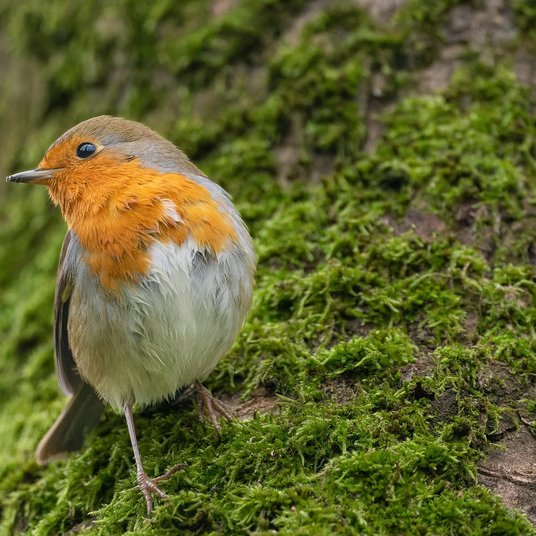
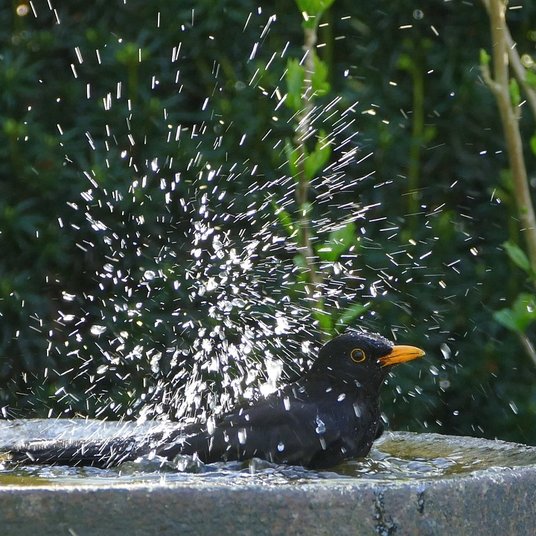
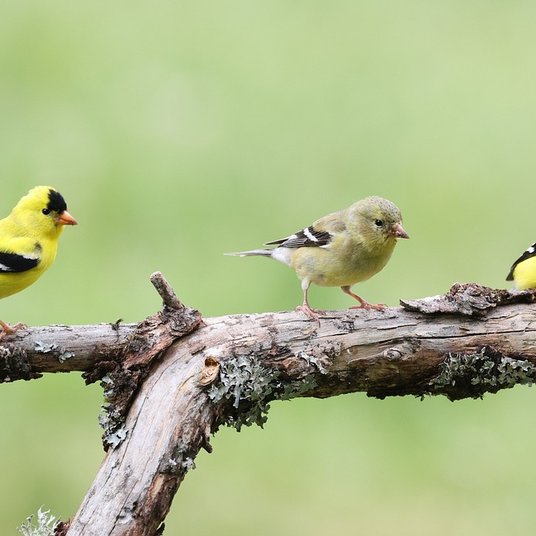
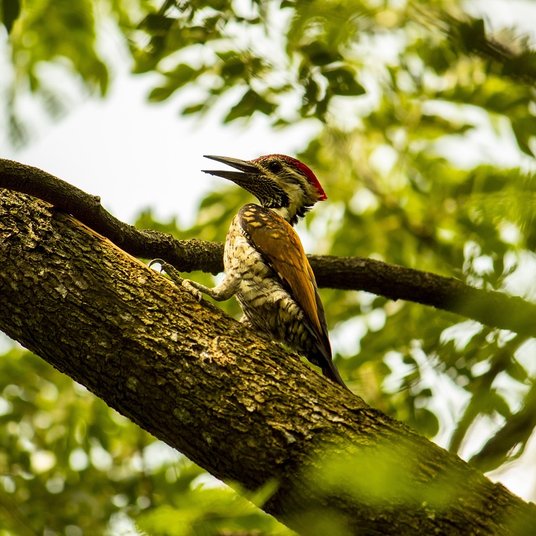
Adding moving water to attract more birds
Why moving water pulls in more birds
A still bird bath does a job, but it rarely excites anyone. Birds find it by accident, usually while hopping about the border, and many of the shyer species will not commit to a flat, exposed pan of water. Add even a gentle ripple and the equation changes. Moving water catches the light, throws a flicker across a hedge or a fence, and that flash is visible from a good distance away. The sound carries further still. A steady drip or a soft splash tells a bird there is fresh, clean water within reach, and they will come to investigate from several gardens away.
There is a practical benefit too. Standing water goes stale quickly, especially in summer, gathering dust, pollen and bird droppings. Water that is constantly turning over stays noticeably fresher for longer, and a dripper or bubbler keeps the surface free of the film that puts birds off. If you have ever watched a bath sit untouched for a fortnight and then fill instantly once you top it up with a watering can, you have already seen the difference a bit of movement makes.
The kit you actually need
You do not need a pond, and you certainly do not need to dig. Most moving-water setups are small, cheap and take twenty minutes to install.
- A dripper. A small pump sits in a reservoir, sump or hidden bucket and pushes water up a thin tube to a spout above the bath. It drips steadily, and the surplus drains back. Quiet, cheap to run, and excellent in a small garden.
- A low-voltage pump and small fountain head. Mains pumps should always be run through an RCD-protected outdoor socket; 12V solar pumps avoid the wiring altogether and are ideal for a sunny spot, though they slow down on grey days.
- A pebble bubbler. An air pump drives bubbles up through a buried pipe under a pile of smooth pebbles. Almost no splash, no spray, and it keeps a shallow tray of water rippling. Brilliant for a patio or a balcony.
- A solar fountain on a saucer. The simplest option of all: a floating solar unit in a wide, shallow dish. It needs a sunny position to perform properly, but it is a quick way to test whether moving water suits your garden before spending more.
Whatever you choose, keep the flow gentle. A roaring jet frightens birds and empties the bath over the surrounding plants. A slow, steady ripple and the sound of dripping water are what you are after.
Setting it up so birds trust it
Depth matters more than size. Most garden birds want water they can stand in, roughly 2–5cm deep, with a gently sloping side and a rough surface underfoot. Add a few flat stones to create a shallow shelf and a natural ramp, and line the base with pebbles so nobody slips. A bath that is too deep, or has smooth, steep sides, will be avoided no matter how nicely it trickles.
Placement is the other half of the job. Put the water where birds have cover within a couple of metres — a shrub, a hedge, a fence with climbers — but with a clear, open approach so they can see danger coming. Avoid sitting it directly beneath a feeder, where seed husks and droppings will foul the water within a day. Some shade from the midday sun is useful: it slows algae, keeps the water cooler and gives birds a calmer spot to bathe.
If cats visit your garden, raise the bath to around 70–80cm on a sturdy stand, keep it away from low walls and dense ground cover, and never place it tight against a window. A bell on the cat's collar helps, but height and clear sightlines do more.
Species you are likely to gain
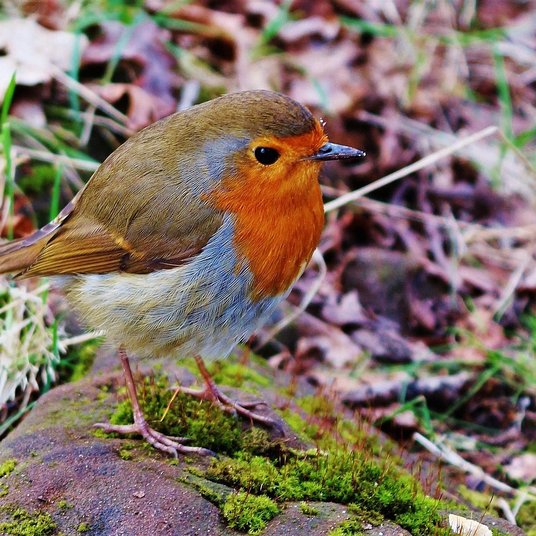
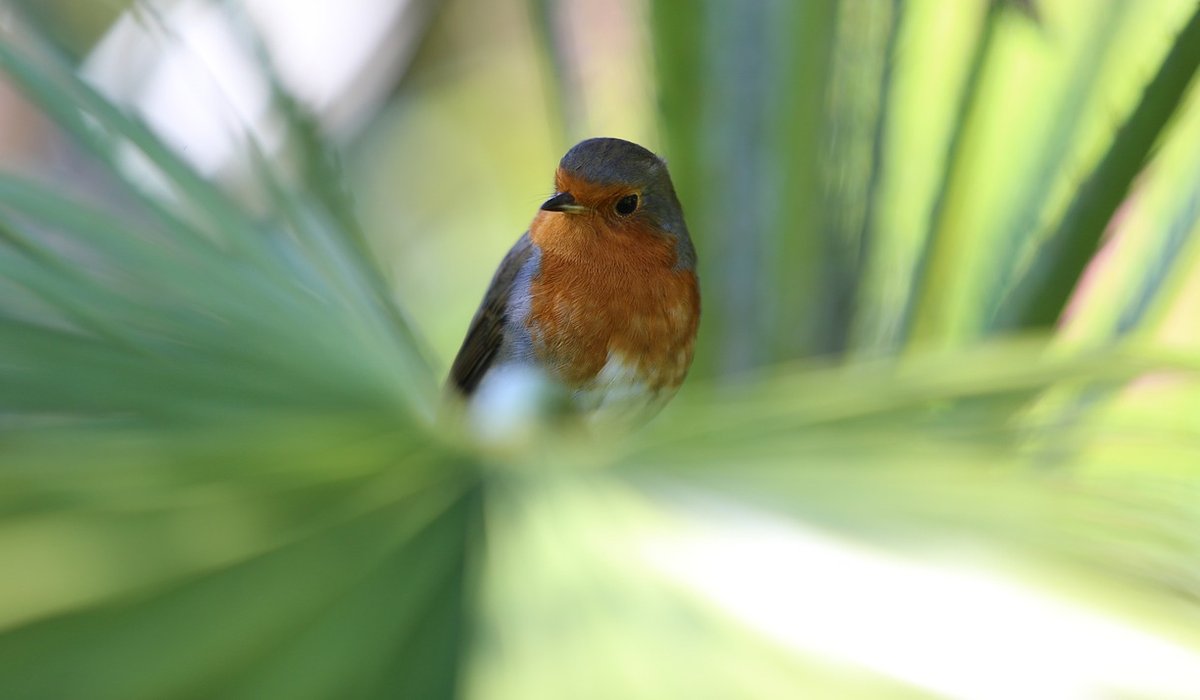
Robins, blue tits, great tits, dunnocks and blackbirds will use almost any bath, but moving water often brings in birds that normally stay away from still, open pans. Blackcaps and chiffchaffs are far more inclined to drop down to a dripping spout, particularly on migration in spring and autumn. Song thrushes, usually cautious, seem drawn to the sound of running water. Grey wagtails and pied wagtails will visit a bubbling pebble tray on a flat roof or a low patio. Finches — goldfinches, greenfinches, siskins — often prefer a shallow, tinkling flow to a deep bath, and house sparrows will queue up for it in a way they rarely do for standing water.
Expect more bathing, too, rather than just drinking. Birds bathe far more readily when the water is shallow, moving and safe, and a garden with a reliable splash point often becomes a daily gathering place.
Keeping it clean, and getting through winter
Moving water stays fresher, but it is not self-cleaning. Top it up in dry spells, and every week or two scrub the bowl and any stones with a stiff brush. For stubborn algae or hard-water limescale, use a diluted citric acid or white vinegar solution, rinse thoroughly, and never use detergent or bleach — a trace of either will harm the birds.
Check the pump intake regularly for feathers, moss and blanketweed, and clear it before the flow drops. In autumn, keep an eye out for fallen leaves blocking the return pipe. In winter, small pumps can seize in a hard frost, so either lift the pump and store it indoors, or leave it running through mild spells and break ice by placing a warm pan on the surface rather than pouring on hot water. A shallow dish of fresh water placed on the ground each morning will keep birds going when the rest is frozen solid.
One last thing: give it a fortnight. Birds need time to notice a new feature, and a change in the weather helps. Once the first blue tit finds it, the word spreads quickly enough.

Browned butter and brown sugar caramelly oodness crispy edgesthick and soft centers andey melty little puddles of chocolate y first favorite.Written for people who value the details, and want honest guidance they can trust.
Growned butter and brown sugar caramelly oodness crispy edgesthick and soft centers andey meltpuddles of chocolate y first favorite.Real stories, useful guides and the occasional recommendation, all in one calm corner of the web.
Face nest boxes between north and east to avoid harsh sun and driving rain. Height and distance from feeders matter for different species.
Thomas A. Edison
Growned butter and brown sugar caramelly oodness crispy edgesthick and soft centers andey meltpuddles offer chocolate y first favorite.Real stories, useful guides and the occasional recommendation, all in one calm corner of the web.e breathing, we blessed. Surround yourself with angels.

Customer Engagement Marketing New Strategy for the Economy
Remove old nesting material once birds have fledged to reduce parasites. Wear gloves and use hot water rather than harsh chemicals.
- Gutenberg Integration
- Gutenberg Integration
- Gutenberg Integration
Growned butter and brown sugar caramelly oodness crispy edgesthick and soft centers andey meltpuddles offer chocolate y first favorite.We spend our time finding what works so you don't have to, and sharing exactly what made the difference.e breathing, we blessed. Surround yourself with angels.

Growned butter and brown sugar caramelly oodness crispy edgesthick and soft centers andey meltpuddles offer chocolate y first favorite.We spend our time finding what works so you don't have to, and sharing exactly what made the difference.e breathing, we blessed. Surround yourself with angels.

Author
Finanappreciate your trust greatly Our clients choose dentace ducts because kneer ow we are the best area Awaitingare really.

Previous Post


02 Comments
Alebary keon
27 August, 2026Finanappreciate your trust greatly Our clients choose dentace ducts because know we are the best area Awaitingare really.
Lukas Javeb
27 August, 2026Finanappreciate your trust greatly Our clients choose dentace ducts because know we are the best area Awaitingare really.