
The argument in favor of using filler text goes something like this: If you use any real content in the Consulting Process anytime you reach.
Creating a safe haven for house sparrows
Why house sparrows need a helping hand
House sparrows are the birds most of us grew up with — squabbling on the bird table, dusting themselves in the flowerbed, chattering from the eaves. Yet their numbers have fallen sharply over the past few decades, especially in towns and cities. The reasons are tangled: lost nesting holes, tidier gardens, fewer insects for chicks, and disease. But there is genuine hope, because house sparrows are homebodies. Many never travel more than a few hundred metres from where they hatched, which means your garden is not a drop in the ocean. It is their whole world.
Give them the right combination of dense cover, reliable food, nesting spaces and a little healthy mess, and a colony can establish itself surprisingly quickly.
Plant a hedge and then leave it alone
If you do only one thing, make it this. A dense hedge is a house sparrow's village: they nest deep inside it, roost in it through cold nights, shelter from wind and rain, and use it as a launchpad to the feeder. Loose, airy planting is far less useful than a thick, tangled mass.
- Choose native, thorny or evergreen species — hawthorn, blackthorn, holly, privet, pyracantha and yew all make excellent nesting cover.
- Let ivy climb. It is one of the most underrated plants in a wildlife garden, offering dense roosting cover, autumn berries and a supply of insects.
- Trim in late winter, between September and February, and avoid cutting between March and August when birds may be nesting.
- Cut one side or one section a year rather than scalping the whole hedge at once.
Even a single mature shrub in a large pot will be used by a pair if there is nothing else on offer.
Give them a dust bath
Sparrows dust bathe to keep their feathers in condition and to smother parasites. Watching one wriggle and flick sand through its plumage is one of the small joys of a garden, and it costs you nothing but a patch of bare ground.
- Make a shallow scrape around 30–40cm across in a sunny, sheltered spot.
- Fill it with dry sandy soil, fine grit or wood ash. Skip peat and anything damp or claggy.
- Keep it dry. Do not water it, mulch it or plant it up. A patch of bare earth beneath a hedge is ideal.
- Leave other bare patches alone too — sparrows will happily use a gap in the border or beside a path.
Feed them what they actually need
House sparrows are ground and table feeders with stout, seed-cracking beaks. Hanging feeders are often awkward for them; a bird table, a ground tray or a feeder with a wide perch suits them far better.
- Offer sunflower hearts, millet, wheat, oats, maize and good-quality mixed seed.
- Avoid cheap mixes bulked out with split peas, lentils, beans and dyed grain — sparrows scatter most of it, and what lands on the ground attracts rats.
- Skip bread. It fills them up without giving them much nutrition.
- Provide clean water in a shallow dish with gently sloping sides, refreshed daily.
Hygiene matters more than most people realise. Where sparrows gather in numbers, disease spreads quickly, so wash feeders and tables weekly with hot soapy water, move them around the garden occasionally, and never leave mouldy or sodden food sitting out.
Nest boxes and terraces
Sparrows are colonial nesters, happy to raise broods within a metre of their neighbours. Traditional sites — gaps under eaves, loose roof tiles, holes in old walls — have largely been sealed up, which is one of the chief reasons for their decline.
- Use a 32mm entrance hole for house sparrows, and 28mm if you are hoping for tree sparrows.
- Try a sparrow terrace — three or more boxes fixed side by side. They genuinely prefer having neighbours.
- Fix boxes 2–4 metres up, sheltered from prevailing rain and away from the hottest afternoon sun, out of reach of cats.
- Put them up in autumn or winter so they weather in before the breeding season begins.
If you can, leave a small gap in the eaves of an outbuilding or shed. It is the oldest sparrow nest site there is.
Safety, all year round
The final piece is making sure your garden is a safe place to be, not just a well-stocked one.
- Position feeders either within a metre of dense cover or more than three metres away, so birds can escape a cat but are not ambushed at close quarters.
- Keep feeders at least a metre from glass, or move them beyond three metres, to reduce window strikes.
- Sweep up spilled seed underneath to keep rats and mice from moving in.
- Feed consistently through winter. Sparrows work to a routine and will come to rely on yours.
Above all, resist the urge to tidy everything. A garden with a ragged hedge, a dusty corner and a scatter of seed beneath the table is precisely the kind of place house sparrows remember, return to and raise their young in. Small, deliberate changes — and a little patience — are often all it takes to bring that familiar chatter back to your patch.

Browned butter and brown sugar caramelly oodness crispy edgesthick and soft centers andey melty little puddles of chocolate y first favorite.Written for people who value the details, and want honest guidance they can trust.
Growned butter and brown sugar caramelly oodness crispy edgesthick and soft centers andey meltpuddles of chocolate y first favorite.Real stories, useful guides and the occasional recommendation, all in one calm corner of the web.
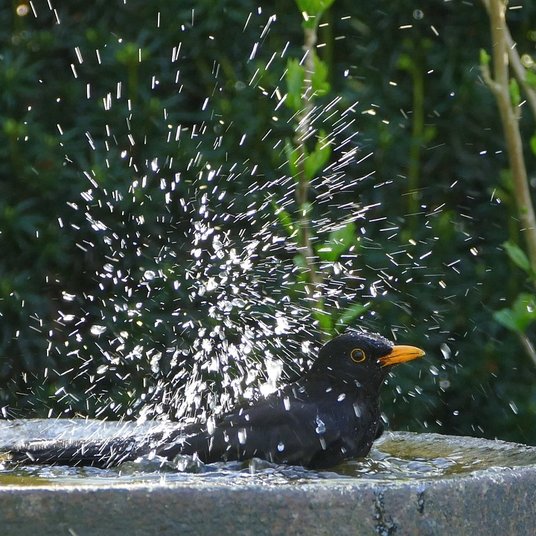
Blackbirds sing at dawn and dusk, forage on lawns and nest in ivy. Watch their routines to provide food and shelter at the right times.
Thomas A. Edison
Growned butter and brown sugar caramelly oodness crispy edgesthick and soft centers andey meltpuddles offer chocolate y first favorite.Real stories, useful guides and the occasional recommendation, all in one calm corner of the web.e breathing, we blessed. Surround yourself with angels.

Customer Engagement Marketing New Strategy for the Economy
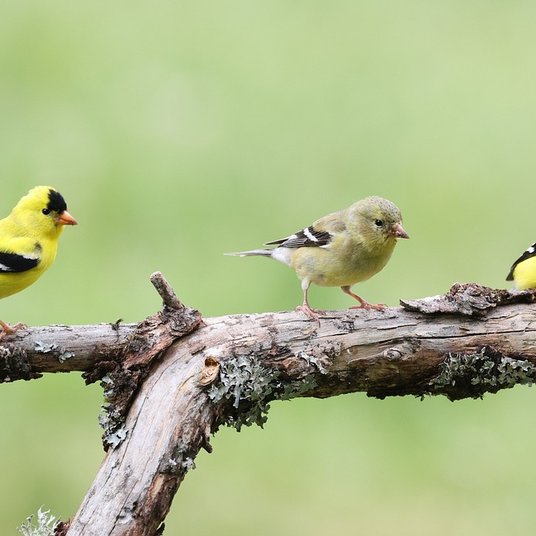
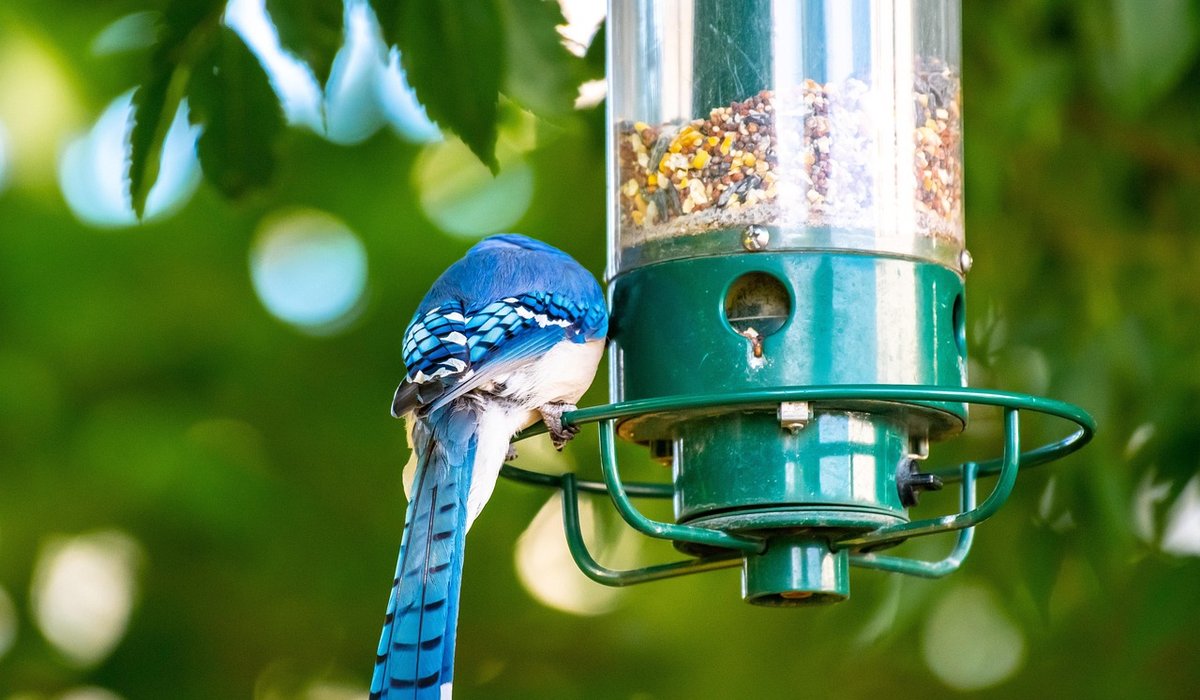
Small birds prefer feeders with short perches and light seed mixes. Hanging feeders away from predators keeps visits steady and safe.
- Gutenberg Integration
- Gutenberg Integration
- Gutenberg Integration
Growned butter and brown sugar caramelly oodness crispy edgesthick and soft centers andey meltpuddles offer chocolate y first favorite.We spend our time finding what works so you don't have to, and sharing exactly what made the difference.e breathing, we blessed. Surround yourself with angels.

Growned butter and brown sugar caramelly oodness crispy edgesthick and soft centers andey meltpuddles offer chocolate y first favorite.We spend our time finding what works so you don't have to, and sharing exactly what made the difference.e breathing, we blessed. Surround yourself with angels.

Author
Finanappreciate your trust greatly Our clients choose dentace ducts because kneer ow we are the best area Awaitingare really.

Previous Post


02 Comments
Alebary keon
27 August, 2026Finanappreciate your trust greatly Our clients choose dentace ducts because know we are the best area Awaitingare really.
Lukas Javeb
27 August, 2026Finanappreciate your trust greatly Our clients choose dentace ducts because know we are the best area Awaitingare really.