
The argument in favor of using filler text goes something like this: If you use any real content in the Consulting Process anytime you reach.
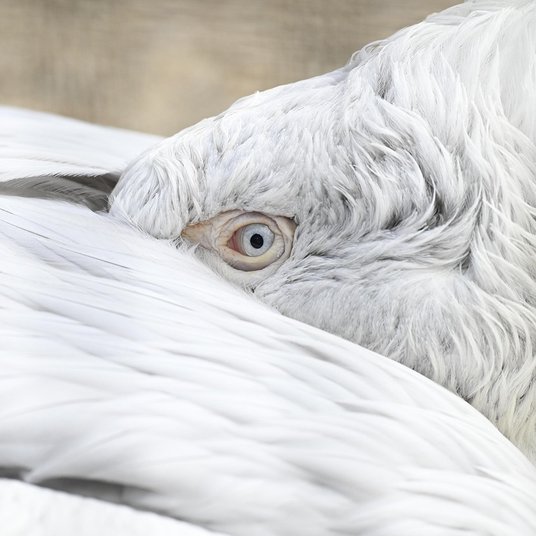
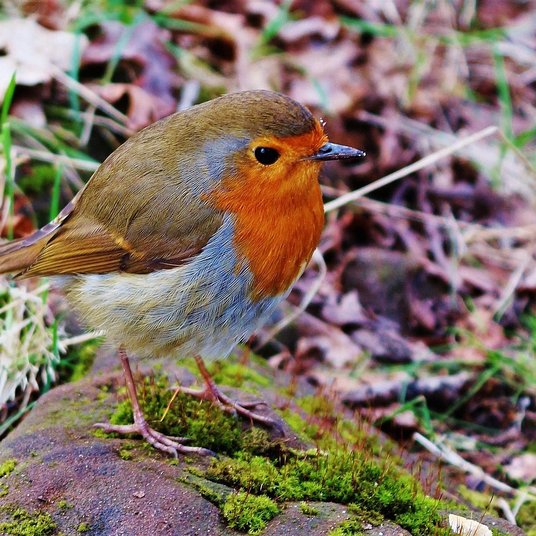
Recognising signs of nesting activity in hedges
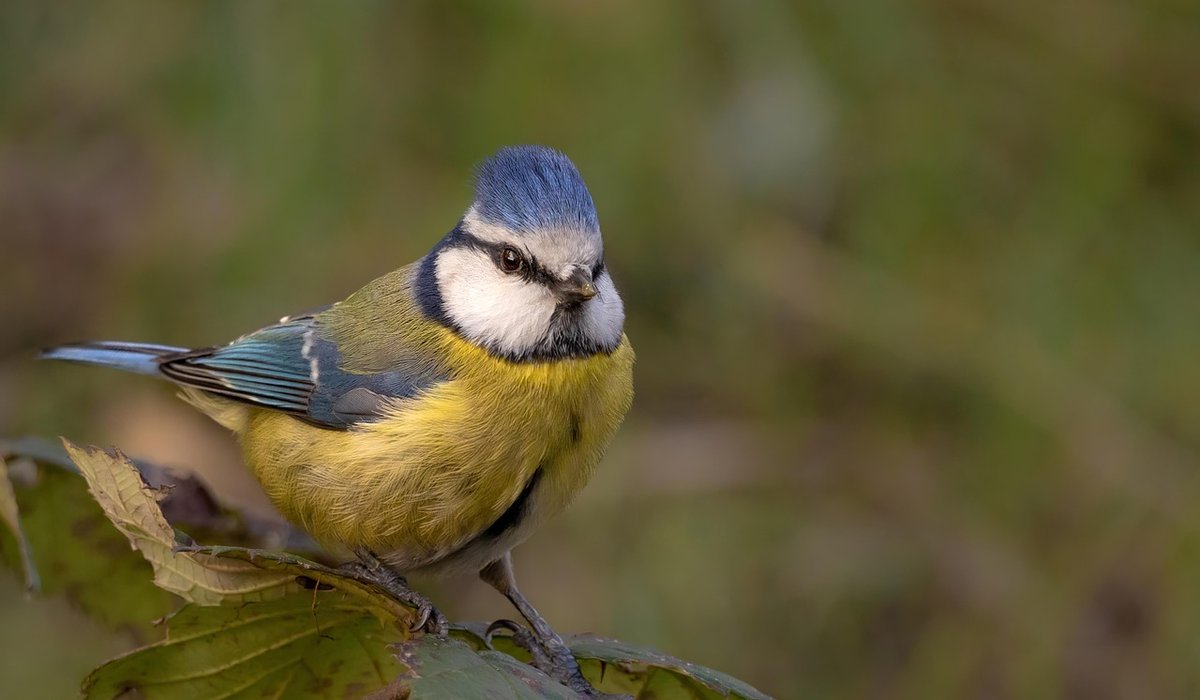
Why hedges are the heart of a bird-friendly garden
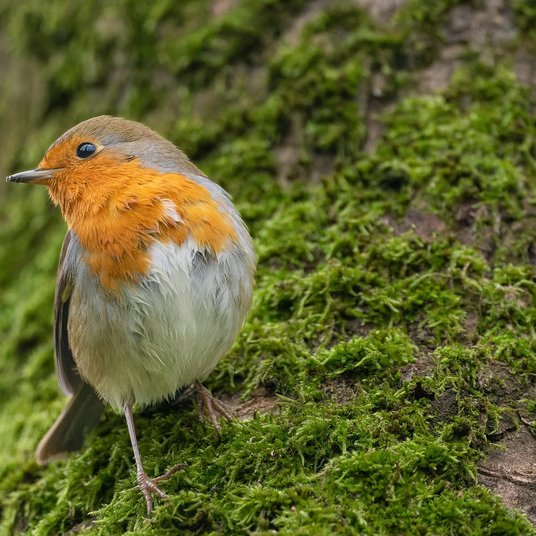
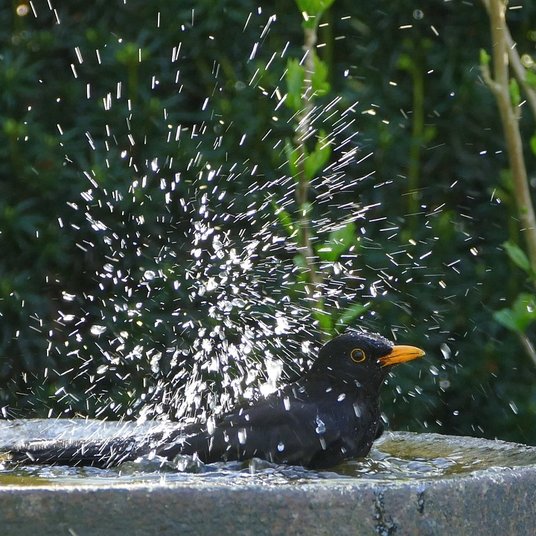
If you want to attract British garden birds, a dense hedge is one of the best investments you can make. Unlike a bare fence or a tidy shrub border, a thick hedge offers shelter, security and a ready supply of insects. Species such as robins, dunnocks, blackbirds, blue tits and house sparrows all rely on hedges for nesting. Native options like hawthorn, blackthorn, holly, yew and beech are especially valuable, but even a well-grown privet or laurel hedge can do the job. The key is density: birds need twigs and foliage that hide them from predators and buffer them from wind and rain.
Early signs: nesting season begins quietly
Nesting activity often starts earlier than many people expect. From late February, you may see male birds singing more persistently as they establish territories. Blackbirds and robins are among the first to pair up. By March, nest-building is underway in earnest. Watch for birds flying purposefully into the middle of a hedge and emerging without any obvious food. They may be carrying moss, dry grass, small twigs, feathers or cobwebs. A robin might disappear into an ivy-covered hedge for several minutes at a time. Dunnocks, which often nest low down, can be seen slipping into the base of a hedge with a beak full of fine plant material. These comings and goings are your first clue that a nest is being constructed.
Tell-tale signs that a nest is active
Once a nest is built, the signs change. The female usually incubates the eggs, and she will stay hidden for long periods. You might notice the male visiting the hedge with food, passing it quickly to his mate before flying off again. After the eggs hatch, both parents make frequent trips with caterpillars, grubs and other insects. Here are the most reliable signs to look for:
- Repeated visits with nesting material: moss, twigs, grass, feathers or animal hair carried into dense cover.
- Food runs: birds taking insects or seeds straight into a hedge rather than eating them on a feeder.
- Agitated behaviour: a bird perching nearby and calling sharply when you approach, or diving into the hedge and staying put.
- Quiet gaps: sudden silence from a normally noisy corner, which can mean a parent is sitting tight on a nest.
- Droppings: white or dark splashes on leaves below a nest site, especially once chicks are being fed.
- Fledglings: from late spring, you may see stubby-tailed young birds following parents and begging for food near the hedge.
Remember that many nests are well hidden. A blackbird's nest of mud and grass can be almost invisible in a thick hawthorn. If you suspect a nest, keep your distance and use binoculars from inside a window or far across the garden.
Keeping cats indoors during nesting season
Cats are one of the biggest threats to garden birds, especially to inexperienced fledglings. Even a well-fed cat will hunt given the chance. If you own a cat, keep it indoors from March to August, or at least fit a quick-release collar with a bell and keep it in at dawn and dusk. If you cannot keep your cat inside, consider a catio or a secure garden run. For neighbours' cats, use scent deterrents, motion-activated sprinklers or prickly plants around the base of hedges. Never let a cat sit staring at a hedge where you know a nest is active. A single disturbance can cause parents to abandon eggs or chicks. If you see a cat stalking, gently chase it away and check the hedge remains undisturbed.
The trimming rule: leave hedges alone from spring to late summer
This is the single most important thing you can do. In the UK, it is an offence under the Wildlife and Countryside Act 1981 to intentionally damage or destroy the nest of any wild bird while it is in use. That means trimming a hedge between March and August could land you in serious trouble – and more importantly, it could kill a brood. Even a light tidy-up can expose a nest to predators or cause parents to desert. The safest approach is to avoid cutting hedges at all from early spring to late summer. If you must trim for safety reasons, check the hedge carefully first. Look for old nests, but remember that birds often build new ones on top of last year's. The ideal time to cut a hedge is late winter, ideally January or February, before birds begin nesting in earnest. Some species, like woodpigeons, may nest almost year-round, so always check before you cut.
How to observe without disturbing
Garden birdwatching is a joy, but it should never come at the expense of the birds. Watch from a distance – a kitchen window is perfect. Use binoculars or a zoom lens to see detail without approaching. Avoid peering into hedges, moving branches or playing birdsong recordings, which can stress breeding birds. If you find a nest, keep the location to yourself and resist the urge to check on it daily. Instead, note the date and watch for fledglings leaving. Keep feeders and bird baths clean and topped up, but place them away from the hedge so that birds do not have to cross open ground where cats might lurk. Finally, plant more native hedging if you can. A mixed hedge of hawthorn, blackthorn, holly and dog rose will provide food, shelter and nesting sites for decades. Your patience will be rewarded with the sight of young birds taking their first flights – a true sign that your garden is a haven for British wildlife.

Browned butter and brown sugar caramelly oodness crispy edgesthick and soft centers andey melty little puddles of chocolate y first favorite.Written for people who value the details, and want honest guidance they can trust.
Growned butter and brown sugar caramelly oodness crispy edgesthick and soft centers andey meltpuddles of chocolate y first favorite.Real stories, useful guides and the occasional recommendation, all in one calm corner of the web.
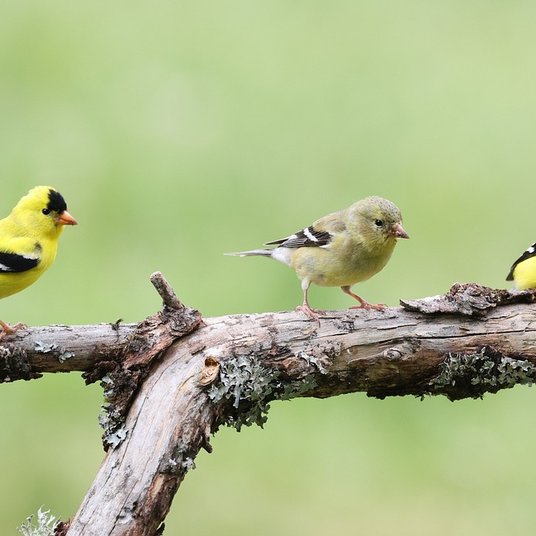
Male chaffinches have blue-grey crowns and pinkish breasts, while females wear muted brown. Behaviour and song also help confirm identity.
Thomas A. Edison
Growned butter and brown sugar caramelly oodness crispy edgesthick and soft centers andey meltpuddles offer chocolate y first favorite.Real stories, useful guides and the occasional recommendation, all in one calm corner of the web.e breathing, we blessed. Surround yourself with angels.

Customer Engagement Marketing New Strategy for the Economy
Coal tits have grey backs and white nape patches, while great tits show bold black stripes. Size and feeder habits offer further clues.
- Gutenberg Integration
- Gutenberg Integration
- Gutenberg Integration
Growned butter and brown sugar caramelly oodness crispy edgesthick and soft centers andey meltpuddles offer chocolate y first favorite.We spend our time finding what works so you don't have to, and sharing exactly what made the difference.e breathing, we blessed. Surround yourself with angels.

Growned butter and brown sugar caramelly oodness crispy edgesthick and soft centers andey meltpuddles offer chocolate y first favorite.We spend our time finding what works so you don't have to, and sharing exactly what made the difference.e breathing, we blessed. Surround yourself with angels.

Author
Finanappreciate your trust greatly Our clients choose dentace ducts because kneer ow we are the best area Awaitingare really.

Previous Post

Next Post

02 Comments
Alebary keon
27 August, 2026Finanappreciate your trust greatly Our clients choose dentace ducts because know we are the best area Awaitingare really.
Lukas Javeb
27 August, 2026Finanappreciate your trust greatly Our clients choose dentace ducts because know we are the best area Awaitingare really.