
The argument in favor of using filler text goes something like this: If you use any real content in the Consulting Process anytime you reach.

Distinguishing coal tits from great tits
Why these two tits trip people up
On a grey February morning, a small bird drops onto the peanut feeder, flashes a black cap and white cheeks, and is gone before you have lifted your binoculars. Was that a coal tit or a great tit? It is one of the most common identification wobbles in British gardens, and the cause is usually the same: we look at the head, see black and white, and stop looking. Both species share a black crown, white cheeks and a dark bib, so the head alone will not settle it. Size, the pattern on the back of the head, and the way each bird behaves at the feeder will.
Size and shape: use the blue tit as your yardstick
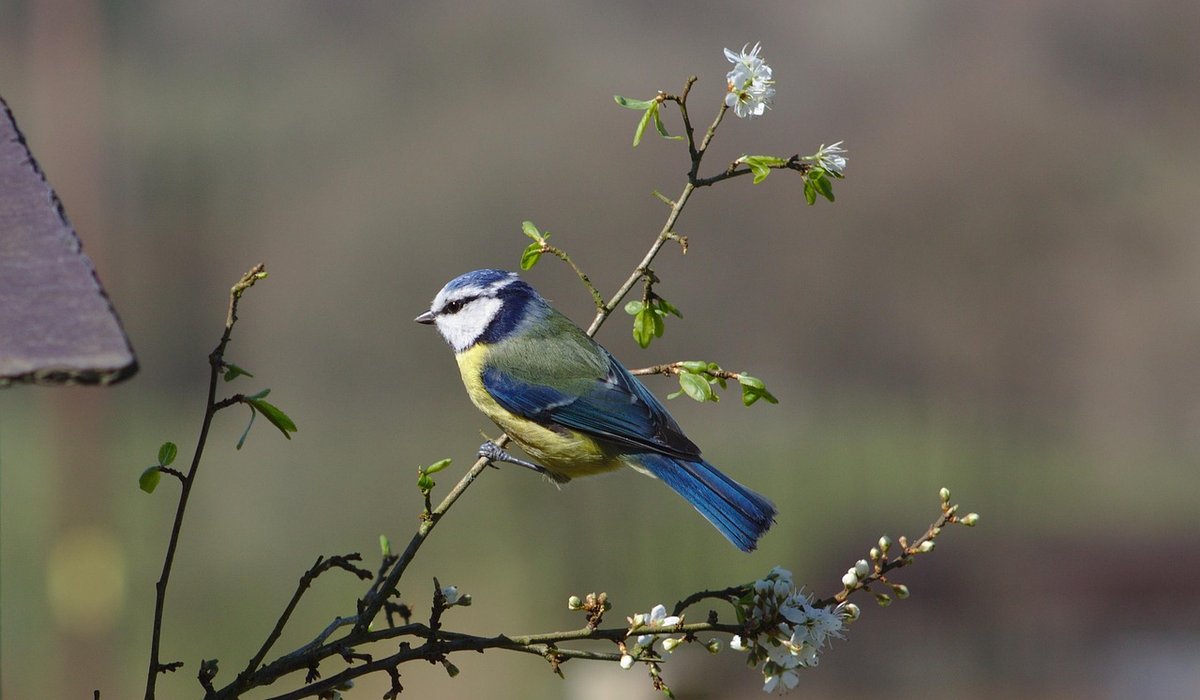
The coal tit is the smallest of our common tits, around 10–11.5 cm long and 9–10 g in weight — a touch smaller than a blue tit. The great tit is a different proposition altogether at 13.5–15 cm and 16–18 g, comfortably bigger than a blue tit and noticeably chunkier. If you have a blue tit on the feeder at the same time, you have a free ruler: anything smaller is a coal tit, anything larger is a great tit.
Shape carries the same message. A coal tit has a large head, a short neck, a short tail and loose, fluffy plumage, giving it the look of a feathered ping-pong ball with a stubby back end. A great tit is longer and more upright, with a longer tail, sturdier legs and a blunt, chisel-like bill built for hammering.
The white nape patch is the clincher
Turn your attention to the back of the head. The coal tit has a distinctive white patch on the nape, sitting behind the black cap against a grey-brown background. It is the only common British tit with a pale patch in that position, and it is visible even in poor light once you know to look for it. The great tit has no such patch: its black cap runs straight into the black bib under the chin, and that black continues down the belly as a stripe.
Both birds have white cheeks, though the great tit's are larger and more sharply defined. On a coal tit, watch where the dark bib stops — at the chin, with nothing continuing down the breast. If a bird turns its back to you, resist the urge to move on; that glimpse of the nape is often the fastest identification you will get all morning.
Back, wings and underparts
- Coal tit: grey-brown back, sometimes with a slight olive or bluish tinge, darker wings with a soft pale wing bar, and buffish-grey underparts. No breast stripe at all.
- Great tit: olive-green back, blue-grey wing panel with one bold white wing bar, and yellow underparts split by a black stripe. The stripe is broad on males, narrower on females, and duller or broken on young birds.
In flat winter light, olive green can pass for grey-brown, so rely on the underparts when the light is against you: yellow with a black stripe means great tit, plain buff-grey means coal tit. Summer juveniles are paler and less yellow than adults, but the stripe and the nape still hold true, so check structure and pattern rather than brightness alone.
Feeder habits and voices
The coal tit is a snatch-and-go bird. It takes a single seed, sunflower heart or peanut and leaves immediately, most often caching the prize in a bark crevice, a hedge or conifer foliage and returning for more. It is restless and quick, frequently the first bird in after a sparrowhawk passes and the first to retreat to cover, and it will happily hang upside down or hover briefly at a feeder. It is especially fond of gardens with conifers.
The great tit does the opposite. It settles on the perch, wedges the seed between its feet and hammers it open, and it is not shy about seeing off blue tits and other small birds. Expect it on peanut feeders, fat balls, sunflower hearts and the bird table, and in nest boxes from early spring.
Sound helps too. The coal tit's call is a thin, high, repeated see-see-see, so piercing it can be easy to miss. The great tit is far louder and more varied: the ringing teacher-teacher, a brisk chee-chee-chee, and a hard metallic pink.
A five-second identification routine
- Compare size: smaller than a blue tit means coal tit; bigger means great tit.
- Check the nape: a white patch behind the black cap means coal tit.
- Check the belly: a black stripe on yellow means great tit.
- Watch the behaviour: grab and fly off to cache means coal tit; stay, hammer and boss the feeder means great tit.
Put a feeder where you can watch it at eye level against a dark hedge, keep a notebook by the window, and give yourself a few seconds per bird rather than a fraction of one. Coal tits and great tits are both reliable, rewarding garden visitors, and once the nape patch and the belly stripe are fixed in your mind, you will separate them without a second glance.

Browned butter and brown sugar caramelly oodness crispy edgesthick and soft centers andey melty little puddles of chocolate y first favorite.Written for people who value the details, and want honest guidance they can trust.
Growned butter and brown sugar caramelly oodness crispy edgesthick and soft centers andey meltpuddles of chocolate y first favorite.Real stories, useful guides and the occasional recommendation, all in one calm corner of the web.
Garden warblers deliver rich, fluty phrases from deep cover. Listen for pauses and repeated notes to separate them from blackcaps.
Thomas A. Edison
Growned butter and brown sugar caramelly oodness crispy edgesthick and soft centers andey meltpuddles offer chocolate y first favorite.Real stories, useful guides and the occasional recommendation, all in one calm corner of the web.e breathing, we blessed. Surround yourself with angels.

Customer Engagement Marketing New Strategy for the Economy
Hawthorn, hazel and elder provide berries, insects and nesting cover. Choose a mix that fruits at different times for year-round value.
- Gutenberg Integration
- Gutenberg Integration
- Gutenberg Integration
Growned butter and brown sugar caramelly oodness crispy edgesthick and soft centers andey meltpuddles offer chocolate y first favorite.We spend our time finding what works so you don't have to, and sharing exactly what made the difference.e breathing, we blessed. Surround yourself with angels.

Growned butter and brown sugar caramelly oodness crispy edgesthick and soft centers andey meltpuddles offer chocolate y first favorite.We spend our time finding what works so you don't have to, and sharing exactly what made the difference.e breathing, we blessed. Surround yourself with angels.

Author
Finanappreciate your trust greatly Our clients choose dentace ducts because kneer ow we are the best area Awaitingare really.

Previous Post


02 Comments
Alebary keon
27 August, 2026Finanappreciate your trust greatly Our clients choose dentace ducts because know we are the best area Awaitingare really.
Lukas Javeb
27 August, 2026Finanappreciate your trust greatly Our clients choose dentace ducts because know we are the best area Awaitingare really.