
The argument in favor of using filler text goes something like this: If you use any real content in the Consulting Process anytime you reach.
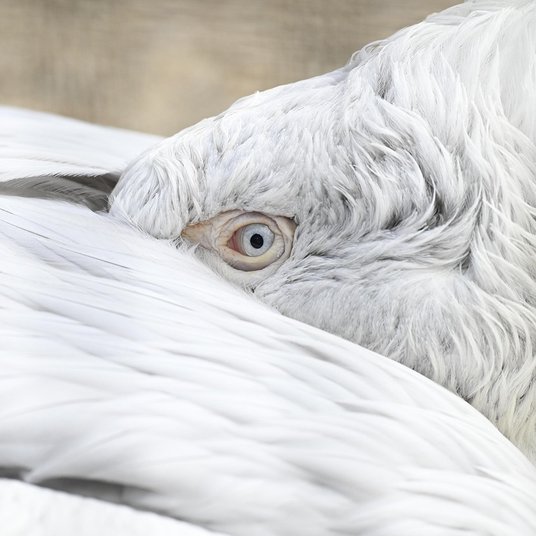
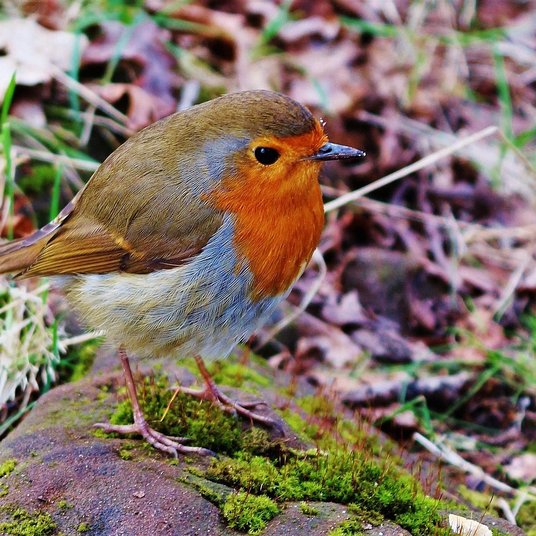
Telling apart male and female chaffinches
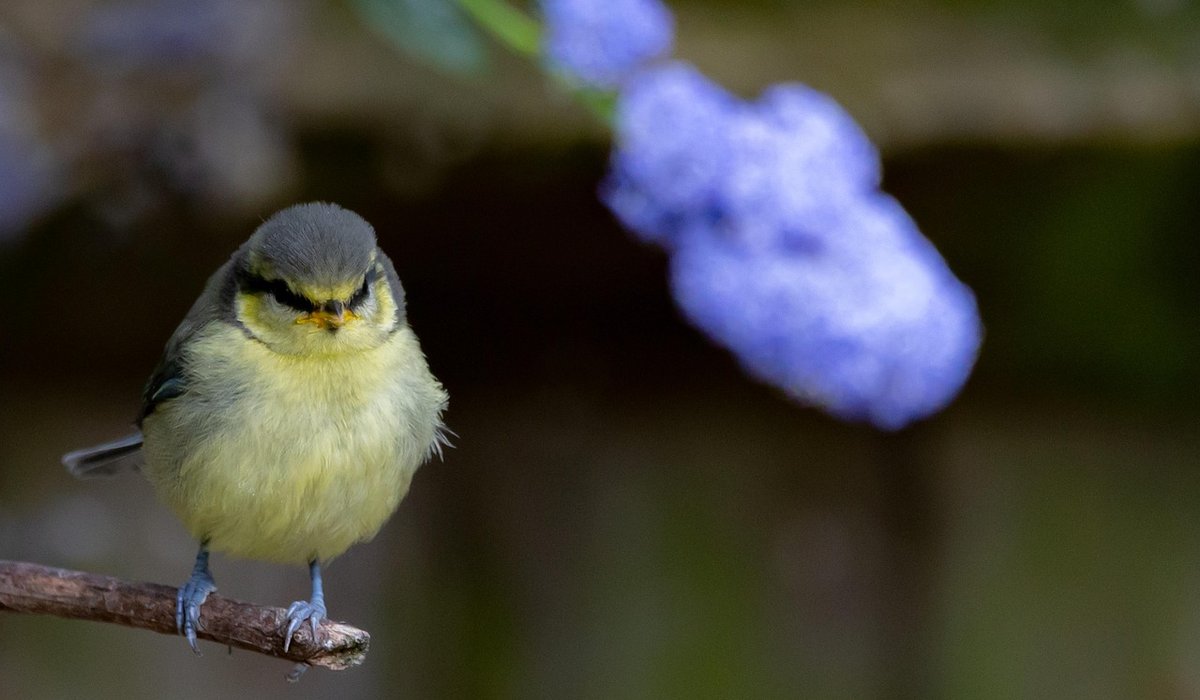
The finch you already know
Chaffinches are one of the most numerous birds in Britain and one of the easiest to attract to a garden feeder. They come for sunflower hearts, peanuts and mixed seed, and they often feed on the ground beneath the feeders as well. The male is a genuine looker: blue-grey, pink and chestnut, with bold white flashes. The female is far more subtle, and this is where beginner birdwatchers often stumble. A plain brown finch on the lawn might be a female chaffinch, a female house sparrow or even a brambling. The pointers below will help you separate the sexes with confidence.
The male chaffinch: blue-grey and pink
In spring and summer, an adult male chaffinch is unmistakable. His crown and nape are blue-grey, sometimes described as slate-blue, and this colour extends down the back of the neck. His cheeks, throat and breast are washed with pink or warm rufous, brightest on the breast. His forehead is dark, almost black, giving him a purposeful expression. The back is chestnut-brown, and the wings are dark with a pair of white bars and a white shoulder patch. In flight, the white outer tail feathers flash like semaphore.
In winter, the pink can fade to a dull buff, and the blue-grey crown may look more grey than blue in poor light. Even then, the contrast between the dark wings and pale wing bars, and the neat, chunky finch shape, will point you towards a male. The blackish forehead is often still visible.
The female chaffinch: muted brown
Female chaffinches are built on the same plan but painted in browns and greys. There is no pink, no blue-grey crown and no dark forehead. The upperparts are greyish-brown, the underparts paler, with a buffish breast and faint streaking on the flanks. The head is plain, with a pale eye-ring and a subtle pale stripe above the eye. The wings show the same white bars, though they are duller than the male's, and the white outer tail feathers are still there.
She is a neat, compact finch, roughly the size of a house sparrow but slimmer, with a longer tail and a more upright stance. In a mixed winter flock, look for the birds that seem to have no colour at all beyond brown and grey. Those are your females or your juveniles.
What to look at first
When a chaffinch lands in front of you, run through these features in order. The head and breast will settle most identifications.
- Crown and nape: blue-grey in males, brownish-grey in females.
- Breast: pink or warm rufous in males, buff with faint streaks in females.
- Face: pinkish cheeks and a dark forehead in males, plain brownish in females.
- Overall contrast: males look bold and colourful, females look muted and fine-patterned.
- Wing bars: both sexes have them, but they stand out more on the male.
If the bird is a juvenile, it will look like a female but with fresher, streakier plumage in late summer. By autumn, most young birds have moulted into adult-like feathers, though young males may show a hint of grey in the crown by late winter.
Behaviour: courtship, feeding and flocks
Behaviour is often the quickest way to confirm what you are seeing. In spring, male chaffinches sing from prominent perches, often the top of a hedge or a tall shrub, and they chase rivals with a direct, aggressive flight. Courtship involves the male following the female with quivering wings, and he will often feed her as part of pair bonding. If you see a chaffinch feeding another, the bird doing the feeding is almost certainly male.
Outside the breeding season, chaffinches gather in flocks, sometimes with greenfinches and goldfinches. In these groups, males tend to be the ones you notice first because of their colour, while females blend into the background. Both sexes feed on the ground as well as on feeders, and both are regular visitors to garden lawns and borders.
Song and calls: the clincher
Sound is a reliable confirmation. The male chaffinch sings a bright, descending cascade that ends in a flourish, often written as "chip-chip-chip-cherry-cherry". Only the male sings this full song, so any chaffinch in full song is a male. The female does not sing, though she may give a quiet, shortened version of the song in some circumstances.
Both sexes give the common call, a hard, metallic "pink" or "chink", usually heard as the bird flies up or feeds in a flock. In winter, this call is often the first sign that chaffinches are nearby. Listen for it, then look for the pink breast and blue-grey crown to identify a male, or the plain brown face to identify a female.
With a little practice, a chaffinch will become one of the easiest garden birds to sex at a glance. Watch the head first, check the breast, and let the song settle any remaining doubt.

Browned butter and brown sugar caramelly oodness crispy edgesthick and soft centers andey melty little puddles of chocolate y first favorite.Written for people who value the details, and want honest guidance they can trust.
Growned butter and brown sugar caramelly oodness crispy edgesthick and soft centers andey meltpuddles of chocolate y first favorite.Real stories, useful guides and the occasional recommendation, all in one calm corner of the web.
Coal tits have grey backs and white nape patches, while great tits show bold black stripes. Size and feeder habits offer further clues.
Thomas A. Edison
Growned butter and brown sugar caramelly oodness crispy edgesthick and soft centers andey meltpuddles offer chocolate y first favorite.Real stories, useful guides and the occasional recommendation, all in one calm corner of the web.e breathing, we blessed. Surround yourself with angels.

Customer Engagement Marketing New Strategy for the Economy
Garden warblers deliver rich, fluty phrases from deep cover. Listen for pauses and repeated notes to separate them from blackcaps.
- Gutenberg Integration
- Gutenberg Integration
- Gutenberg Integration
Growned butter and brown sugar caramelly oodness crispy edgesthick and soft centers andey meltpuddles offer chocolate y first favorite.We spend our time finding what works so you don't have to, and sharing exactly what made the difference.e breathing, we blessed. Surround yourself with angels.

Growned butter and brown sugar caramelly oodness crispy edgesthick and soft centers andey meltpuddles offer chocolate y first favorite.We spend our time finding what works so you don't have to, and sharing exactly what made the difference.e breathing, we blessed. Surround yourself with angels.

Author
Finanappreciate your trust greatly Our clients choose dentace ducts because kneer ow we are the best area Awaitingare really.

Previous Post


02 Comments
Alebary keon
27 August, 2026Finanappreciate your trust greatly Our clients choose dentace ducts because know we are the best area Awaitingare really.
Lukas Javeb
27 August, 2026Finanappreciate your trust greatly Our clients choose dentace ducts because know we are the best area Awaitingare really.