
The argument in favor of using filler text goes something like this: If you use any real content in the Consulting Process anytime you reach.
Creating a wildlife pond for drinking and bathing
Why water matters more than food
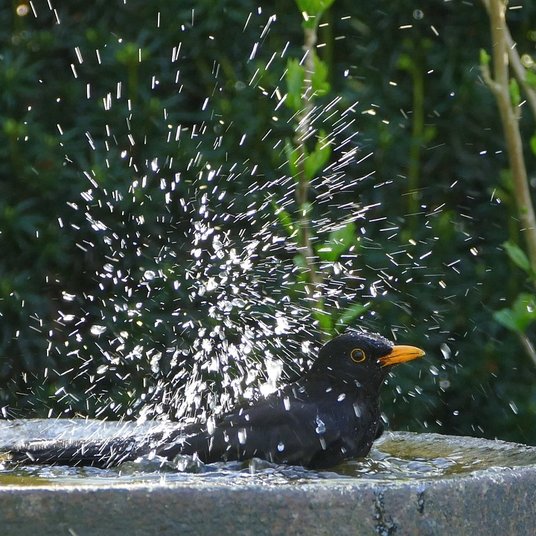
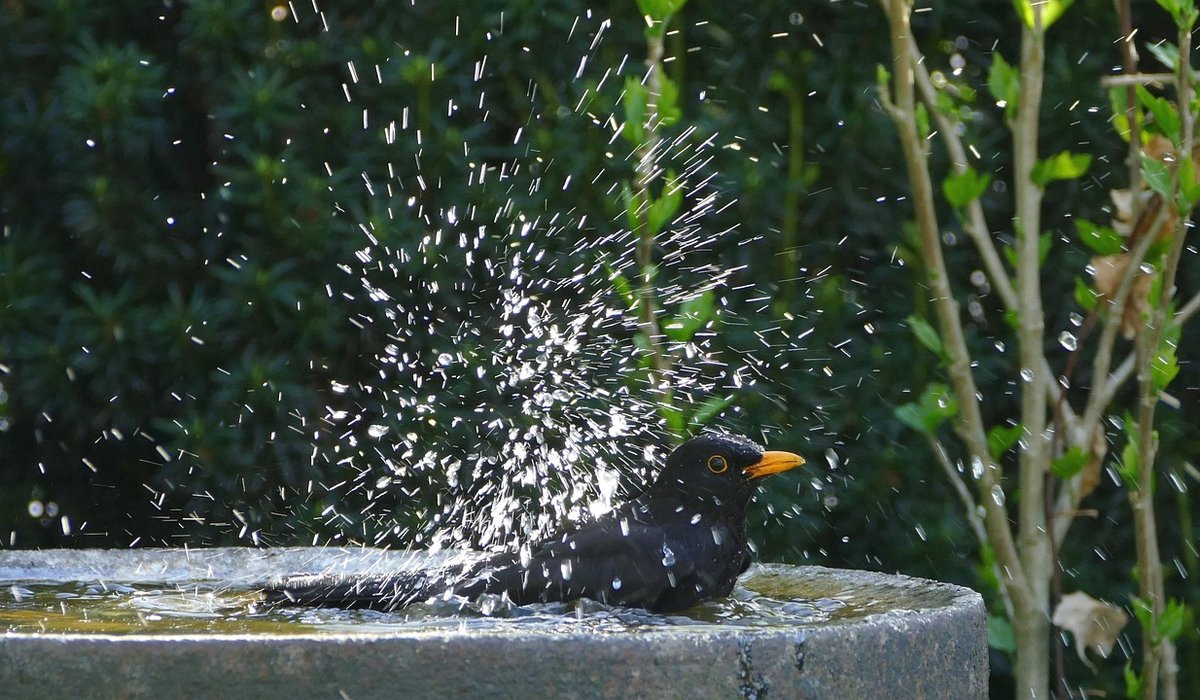
We spend a fortune on seeds and suet, yet the simplest thing we can offer garden birds is clean, safe water. Birds drink all year round, and bathing is not a luxury — it keeps feathers clean, aligned and properly insulating, which matters as much in a January frost as in a July heatwave. A pond does something a plastic bird bath cannot: it brings in insects. Damselflies, mayflies, hoverflies, midges and their larvae all emerge from still water, and those soft, protein-rich morsels are exactly what growing chicks need.
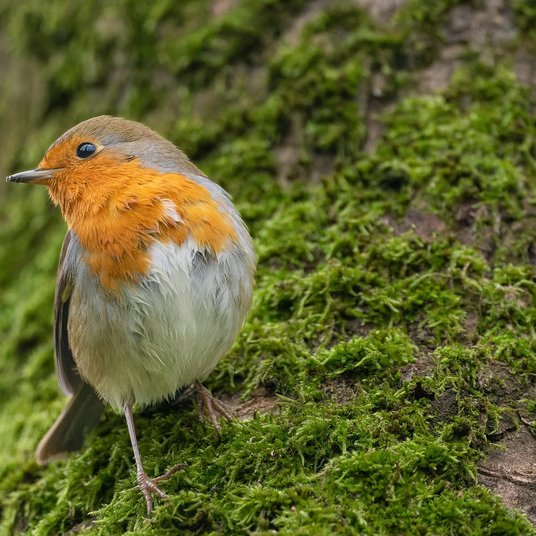
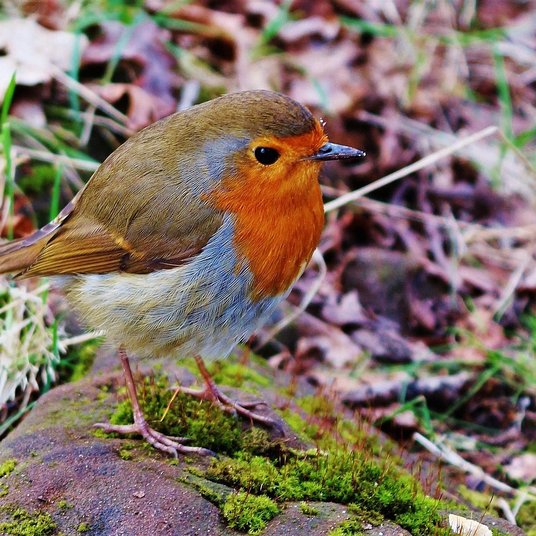
You will notice the difference quickly. Most activity happens in the first hour after dawn and again in the late afternoon, when birds come down to drink before roosting. Even a pond the size of a washing-up bowl will be visited daily by blue tits, sparrows, blackbirds and robins, and if you are lucky, by frogs and newts too.
Siting and sizing your pond
Aim for at least 1.5 metres by 1 metre, with a centre depth of 45 to 60 centimetres. That depth keeps the water cooler in summer, protects frogs and newts through hard winters, and stops the whole thing drying out during a dry spell. If you can manage 2 by 3 metres, do — the larger the volume, the more stable the water quality, and the less work it needs.
Choose a spot that gets sun for at least half the day, so plants grow and insects thrive, but some dappled shade is helpful in reducing algae. Avoid a position directly under a deciduous tree, or you will spend October fishing out leaves. Nearby shrubs give birds the cover they need to feel safe, but keep one approach open and clear so they can spot a cat early. A sunny, level spot beside a border is usually ideal.
Making the edges safe
This is the part most people get wrong. Birds cannot swim confidently, and many drown in steep-sided ponds or butyl-lined tubs with sheer walls. They need a gradual entry they can wade into and grip with their feet.
- Create one or two shallow shelves, 2.5 to 7.5 centimetres deep, on opposite sides of the pond.
- Line these shelves generously with rounded pebbles or smooth gravel — sharp gravel damages feet.
- Slope at least one bank gently into the water, roughly one in five, rather than dropping vertically.
- Add a rough stone, a piece of weathered brick or a weighted plank as an escape ramp, so hedgehogs, voles and froglets can climb out if they fall in.
Use butyl or EPDM liner over a protective underlay, and fold the edges under turf or paving so the liner is hidden. A ragged, planted margin looks far better than a tidy black edge, and gives birds somewhere to perch and queue.
Planting for cover, insects and clear water
Plant in aquatic baskets of peat-free aquatic compost, or straight into the marginal shelf with heavy soil and no fertiliser at all. Nutrients are the enemy of clear water. Good British natives for a wildlife pond include:
- Marginals: water forget-me-not, marsh marigold, ragged robin, water mint, lesser spearwort, soft rush, yellow flag iris and purple loosestrife.
- Oxygenators: hornwort and water crowfoot, which compete with algae and shelter tadpoles.
Leave at least half the surface open, so there is room for drinking and bathing; aim for 40 to 60 per cent coverage once plants establish. Never plant invasive non-natives such as floating pennywort, water fern, parrot's feather, New Zealand pygmyweed or water hyacinth, and never tip pond plants into a river or stream. Please also resist adding fish: they eat tadpoles and insect larvae, and feeding them adds nutrients that turn the water green.
Keeping the water clean without chemicals
Top up with rainwater from a butt whenever you can. Tap water carries nutrients and chlorine, which encourages algae, so let it stand for 24 hours before adding it if you have no alternative. Keep lawn feed, weedkiller and pesticide well away from the pond's edges, and never use chemicals in or near the water.
Net out fallen leaves in autumn before they rot and deplete oxygen, and avoid throwing bread or handfuls of seed into or beside the pond. A temporary flush of green water in spring is normal and clears as plants grow. In winter, float a ball on the surface or gently pour warm — never boiling — water to keep a hole open in the ice. Never smash ice: the shock waves can kill frogs and newts hibernating in the silt below.
Watching without disturbing
Sit three to five metres back, keep still, and give it twenty quiet minutes. Binoculars help, but the bathing action is usually close enough to enjoy with the naked eye. Wrens, dunnocks and song thrushes use ponds more than most people expect, and a half-submerged branch or angled stake gives birds somewhere to wait their turn. Keep cats indoors at dawn and dusk, and note the first frogspawn — usually late February to March in the south, a few weeks later in the north. You have built a small, buzzing, splashing ecosystem, and the birds will find it within days.

Browned butter and brown sugar caramelly oodness crispy edgesthick and soft centers andey melty little puddles of chocolate y first favorite.Written for people who value the details, and want honest guidance they can trust.
Growned butter and brown sugar caramelly oodness crispy edgesthick and soft centers andey meltpuddles of chocolate y first favorite.Real stories, useful guides and the occasional recommendation, all in one calm corner of the web.
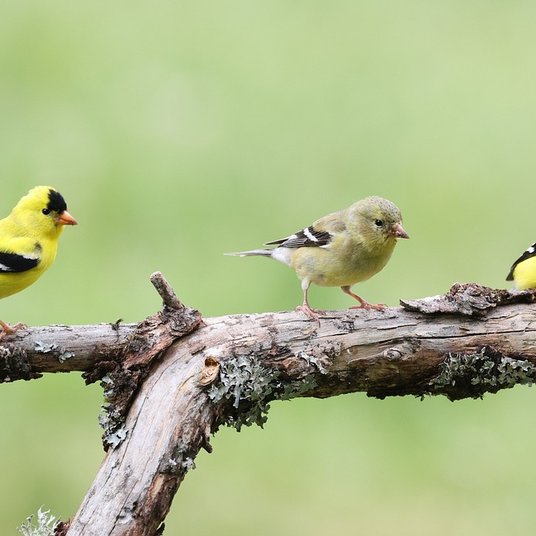
Teasels, sunflowers and coneflowers feed finches and tits naturally. Delay cutting back until late spring to support hungry visitors.
Thomas A. Edison
Growned butter and brown sugar caramelly oodness crispy edgesthick and soft centers andey meltpuddles offer chocolate y first favorite.Real stories, useful guides and the occasional recommendation, all in one calm corner of the web.e breathing, we blessed. Surround yourself with angels.

Customer Engagement Marketing New Strategy for the Economy
Put away hedge trimmers and provide nesting material like wool and moss. Fresh water and protein-rich food support growing chicks.
- Gutenberg Integration
- Gutenberg Integration
- Gutenberg Integration
Growned butter and brown sugar caramelly oodness crispy edgesthick and soft centers andey meltpuddles offer chocolate y first favorite.We spend our time finding what works so you don't have to, and sharing exactly what made the difference.e breathing, we blessed. Surround yourself with angels.

Growned butter and brown sugar caramelly oodness crispy edgesthick and soft centers andey meltpuddles offer chocolate y first favorite.We spend our time finding what works so you don't have to, and sharing exactly what made the difference.e breathing, we blessed. Surround yourself with angels.

Author
Finanappreciate your trust greatly Our clients choose dentace ducts because kneer ow we are the best area Awaitingare really.

Previous Post


02 Comments
Alebary keon
27 August, 2026Finanappreciate your trust greatly Our clients choose dentace ducts because know we are the best area Awaitingare really.
Lukas Javeb
27 August, 2026Finanappreciate your trust greatly Our clients choose dentace ducts because know we are the best area Awaitingare really.