
The argument in favor of using filler text goes something like this: If you use any real content in the Consulting Process anytime you reach.
Preparing your garden for cold winter birds
Why winter asks more of your garden birds
A blue tit weighs about as much as two pound coins, and a single frosty night can burn through most of the fat it laid down during the day. Small birds lose a serious share of their body weight overnight, so every winter morning is a race to refuel before the cold bites again. Daylight is short, insects are hidden, and the ground is often too hard to probe. That is why the garden you keep through the colder months matters so much: a well-stocked, sheltered patch can mean the difference between a bird scraping through and a bird thriving until spring. The good news is that none of this requires expensive equipment or a huge garden. It asks for a little planning, a little untidiness, and a willingness to top things up before the weather turns, not after.
Start topping up feeders early
Birds learn where food is kept, and they build a routine around it. If you wait until the first hard frost to fill your feeders, you are asking them to find a new larder in the worst possible conditions. Begin topping up in October or early November and keep going right through to April, because late frosts and cold snaps in March catch birds just when they are already stretched.
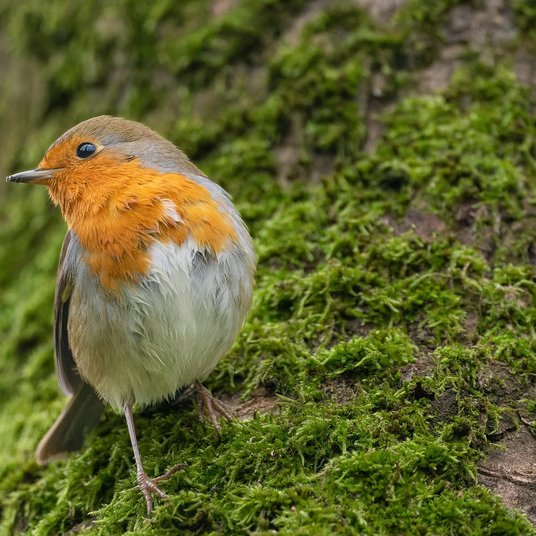
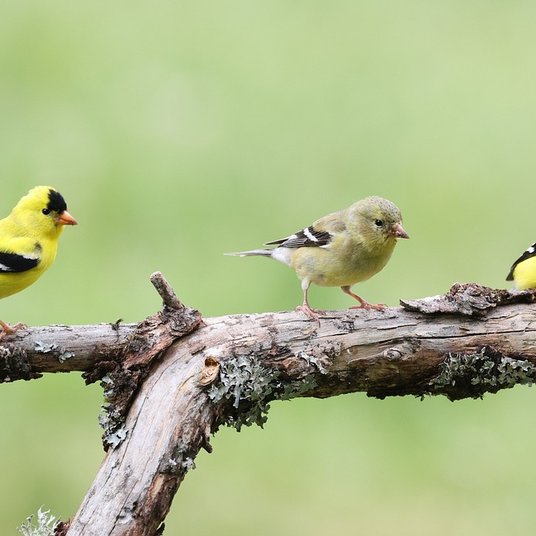
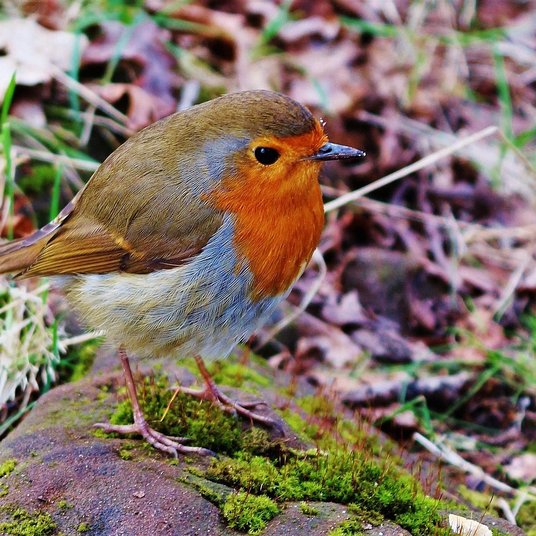
Offer high-energy food. Sunflower hearts suit almost everything and leave no messy husks. Fat balls and suet cakes are superb value in cold weather — hang them in a wire cage rather than a loose net, which can trap feet and tongues. Peanuts should always be unsalted and from a reputable supplier, and never the roasted, salted sort from the kitchen. Mealworms, dried or live, are brilliant for robins, wrens and blackbirds, while nyjer seed keeps goldfinches and siskins coming back.
Good hygiene matters more in winter, not less, because birds crowd together at feeders. Wash feeders every couple of weeks with warm soapy water and a bird-safe disinfectant, rinse thoroughly, and let them dry. Move feeders around the garden occasionally and avoid putting several in one spot, so that droppings and food debris do not build up in a single place.
Feed twice a day if you can. A top-up first thing in the morning is essential after a long night, and a second in the early afternoon gives birds a chance to stock up before dusk.
Leave the leaves where they fall
It is tempting to rake everything up and leave the borders looking tidy before winter, but leaf litter is one of the best things you can give your garden wildlife. A damp layer of fallen leaves is a nursery for beetles, spiders, worms, slugs and grubs — exactly the protein that blackbirds, robins, dunnocks and song thrushes need when the soil is frozen.
- Rake leaves into a corner, under a hedge or around the base of shrubs rather than bagging them for the tip.
- Leave seed heads on teasels, honesty, sunflowers and grasses for as long as they hold.
- Hold back on cutting hedges hard in winter, and resist tidying every last stem — insects and spiders overwinter in hollow stalks.
- Skip the pesticides. A garden with a healthy insect population feeds birds for free.
If you keep a compost heap, it will be alive with grubs and worms all winter. Turning it gently on a mild day is fine, but check for hibernating frogs and hedgehogs first, and always inspect any bonfire pile before lighting it.
Give them shelter from wind and rain
Birds can cope with cold, but cold and wet together is lethal. Wind strips away the insulating layer of warm air trapped in feathers, and a bird that cannot dry out and drop its body temperature overnight may not see the morning.
- Plant or keep dense evergreens — ivy, holly, yew, laurel and conifer — as natural windbreaks and night roosts.
- Put up a roost box, or simply leave an existing nest box in place. Blue tits, great tits and even wrens will use them for shelter on freezing nights. A 32mm entrance hole suits most small garden birds.
- Wrens often roost in huddles, so a brushwood pile, a stack of logs or an old broom head tucked in a corner can host a dozen birds at once.
- Fix a piece of board or perspex to the windward side of feeders, or hang them close to a wall or dense shrub, so birds can eat out of the worst of the weather.
Keep a supply of unfrozen water
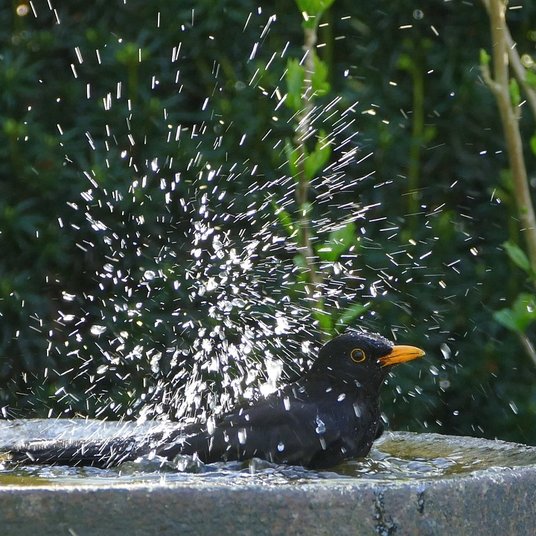
Water is the most overlooked part of winter bird care. Birds need to drink and bathe even in freezing weather, and a bath helps them keep feathers in good insulating condition. When every puddle is solid, a reliable water source becomes a lifeline.
Use a shallow dish or a bird bath with gently sloping sides, and add a few clean pebbles or a piece of slate so birds can stand safely. Change the water daily, ideally in the morning, and pour in a little warm water from the kettle if it has frozen over — never boiling, and never add salt, glycerine or antifreeze. A dark plastic or ceramic bowl placed in sun will stay liquid longer than a metal one, and a ping-pong ball floating on the surface can slow the freezing a little.
Small habits, big difference
Once your garden is set up, winter birdwatching becomes a pleasure rather than a chore. Keep a notebook of what arrives and when, and you will start to notice the same individuals returning: the robin that follows the spade, the pair of long-tailed tits that sweep through in a restless flock, the blackbirds stripping the last of the cotoneaster berries. Redwings and fieldfares may drop in during a hard spell, and a waxwing in a suburban garden is a genuine event. Feed early, leave the leaves, offer shelter and unfrozen water, and your patch will be busier in January than it was in June.

Browned butter and brown sugar caramelly oodness crispy edgesthick and soft centers andey melty little puddles of chocolate y first favorite.Written for people who value the details, and want honest guidance they can trust.
Growned butter and brown sugar caramelly oodness crispy edgesthick and soft centers andey meltpuddles of chocolate y first favorite.Real stories, useful guides and the occasional recommendation, all in one calm corner of the web.
Water early or late to reduce evaporation and leave shallow dishes for birds. Avoid pesticides that remove essential insect food.
Thomas A. Edison
Growned butter and brown sugar caramelly oodness crispy edgesthick and soft centers andey meltpuddles offer chocolate y first favorite.Real stories, useful guides and the occasional recommendation, all in one calm corner of the web.e breathing, we blessed. Surround yourself with angels.

Customer Engagement Marketing New Strategy for the Economy
Clean glass and a dark room reduce reflections. Place a perch near the glass and focus manually for sharp, natural portraits.
- Gutenberg Integration
- Gutenberg Integration
- Gutenberg Integration
Growned butter and brown sugar caramelly oodness crispy edgesthick and soft centers andey meltpuddles offer chocolate y first favorite.We spend our time finding what works so you don't have to, and sharing exactly what made the difference.e breathing, we blessed. Surround yourself with angels.

Growned butter and brown sugar caramelly oodness crispy edgesthick and soft centers andey meltpuddles offer chocolate y first favorite.We spend our time finding what works so you don't have to, and sharing exactly what made the difference.e breathing, we blessed. Surround yourself with angels.

Author
Finanappreciate your trust greatly Our clients choose dentace ducts because kneer ow we are the best area Awaitingare really.

Previous Post


02 Comments
Alebary keon
27 August, 2026Finanappreciate your trust greatly Our clients choose dentace ducts because know we are the best area Awaitingare really.
Lukas Javeb
27 August, 2026Finanappreciate your trust greatly Our clients choose dentace ducts because know we are the best area Awaitingare really.