
The argument in favor of using filler text goes something like this: If you use any real content in the Consulting Process anytime you reach.
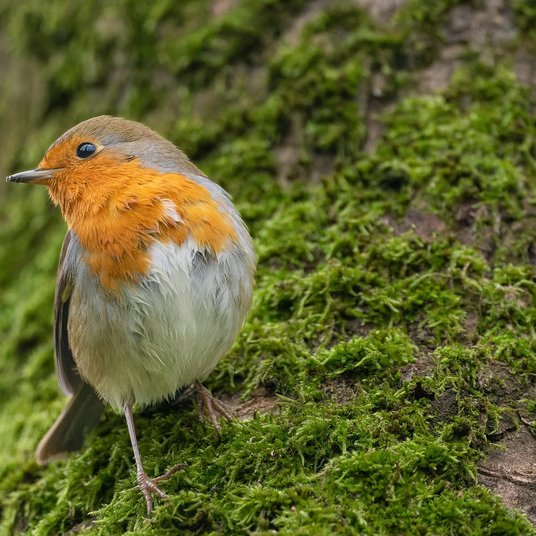
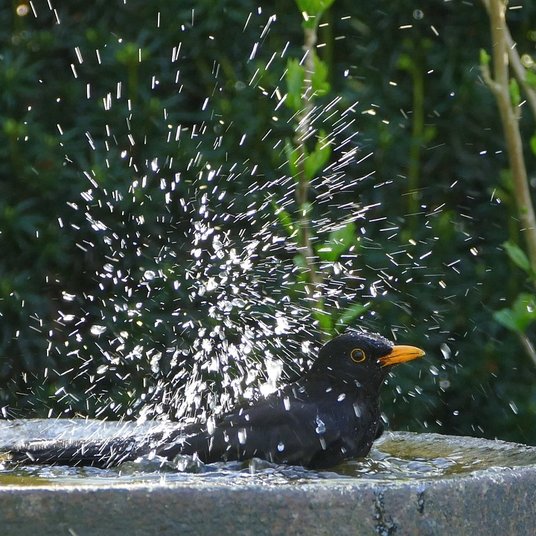
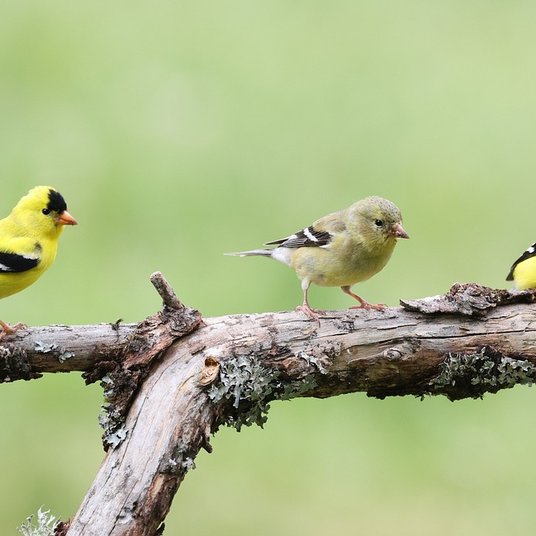
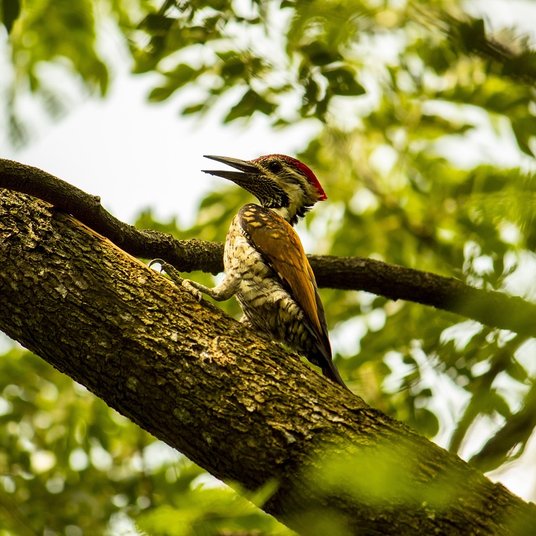
Photographing garden birds through a clean window
Why the glass is your biggest obstacle
Photographing birds from your own kitchen or spare room is one of the great pleasures of British garden birdwatching. You get warmth, a mug of tea, and no need to lug a tripod across a muddy field at dawn. But the window itself works against you in two ways: it reflects whatever is behind you, and it scatters light. A grubby pane, a bright room, and a bird feeder six metres away is a recipe for flat, grey, slightly soft images.
The good news is that the fix is almost entirely about light management, not expensive equipment. A modest telephoto lens, a clean window, a dark room, and a perch close to the glass will outshoot a top-end lens pointed through a streaky window into a sunlit kitchen.
Clean the panes properly, inside and out
Start with the glass. Both sides matter, because a film of grime on the outer pane softens detail and adds haze, while fingerprints and cooking grease on the inner pane create a milky veil across the whole frame.
- Use warm water with a drop of washing-up liquid, then squeegee or wipe with a microfibre cloth.
- Buff dry with a second, clean cloth. Streaks cause localised flare that no amount of editing will remove.
- Clean the outside on a dry, still day. Wind-blown dust on wet glass leaves marks.
- If you have hard water, use filtered or distilled water for the final rinse to avoid limescale spots.
Double glazing is fine, and the small loss of sharpness is usually invisible by the time you have stopped down and focused carefully. Single-glazed sash windows are marginally better, but only marginally — cleanliness matters far more than the number of panes.
Make the room dark
Reflections come from light sources behind and beside you, so the single most effective trick is to shoot from a darkened room. Closing the curtains in the rest of the house, turning off the overhead light, and standing in shadow will transform your results.
Go further if you can. Tape a sheet of black card, mounting board or dark cloth to the glass, leaving a hole just large enough for the front of your lens to poke through. This kills reflections from the glass immediately around the lens, which are the ones that show up worst in the frame.
- Switch off the kitchen light, the telly, and any lamp within sight of the window.
- Wear dark clothing, or drape a dark towel over your shoulder and around the lens barrel.
- Press a rubber lens hood flat against the glass, or hold a dark cloth around the gap so no stray light sneaks in.
- Never let the lens touch the glass while shooting — vibration from the window frame blurs long exposures.
Give the birds a perch close to the glass
A bird on a distant feeder is a small, cluttered subject. A bird on a branch 60 to 90 centimetres from the window fills the frame, and the closer perch becomes the natural staging post between feeder and cover.
Fix a sturdy branch — hazel, birch or apple all look natural — so it sits parallel to the glass, roughly at eye height for your lens. Suction cups, spring clamps on the window frame, or a bracket screwed to the outside wall all work. Keep it steady; a wobbling perch is worse than no perch at all.
Choose your background deliberately. A distant hedge, fence or lawn gives soft, uncluttered bokeh and pleasing colour. A bright grey sky behind the bird will fool your meter into underexposing the subject, so try to frame against foliage instead. Angle the branch so the light falls across it rather than behind it — a north or east-facing window gives soft, even light for most of the day, while a south-facing window can be glorious in winter but harsh on a bright summer morning.
Put the actual feeder just out of frame, or behind the perch from your viewpoint. The birds will queue on the branch before dropping down, and you get clean, natural portraits rather than a beak buried in a plastic port.
Focus manually and trust your settings
Autofocus through glass is easily confused, especially with twigs in the way. Switch to manual focus and use your camera's magnified live view to check focus on the eye. Focus peaking, if your camera has it, is a helpful guide but not a substitute for zooming in.
- Aperture: f/5.6 to f/8 gives enough depth of field to keep a small bird sharp from beak to tail without softening the whole image through diffraction.
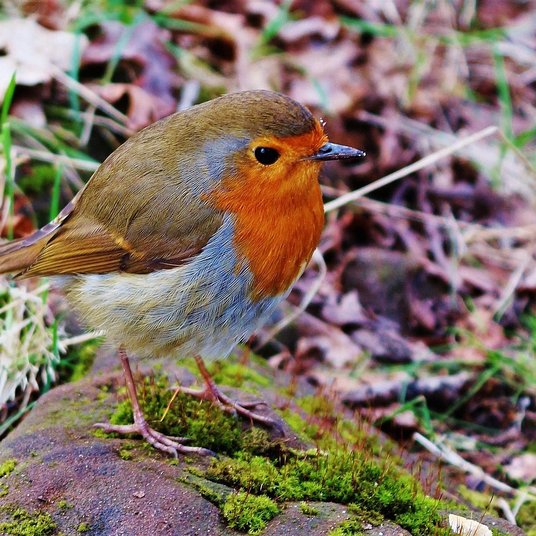
- Shutter speed: 1/500sec or faster. Blue tits and coal tits never sit still; a robin will sometimes oblige at 1/250sec.
- ISO: set it automatically with a sensible upper limit, usually 3200 on modern sensors. A slightly noisy sharp photograph beats a clean blurry one.
- Drive mode: continuous, low speed. Take three or four frames per visit and pick the one where the bird is looking your way.
Prefocus on the perch, then wait. When a bird lands, you only need to fine-tune. Racking focus from scratch while a great tit fidgets on a branch is how most opportunities are lost.
Patience, welfare and the small refinements
Learn your visitors. Most gardens settle into a rhythm: tits and finches early, dunnocks and blackbirds working the ground, sparrows in noisy bursts. Watch for a few mornings and you will know where to point the lens before the bird arrives.
Look after your subjects as carefully as your photographs. Keep feeders clean and topped up, provide shallow water in dry spells and during frosts, and site perches well away from anywhere a cat can lurk. Avoid flash through the window; it startles birds and rarely improves the picture. Withdraw quietly if a bird seems agitated.
Finally, be honest with yourself about sharpness. Zoom in to 100% and check the eye. If it is soft, the cause is nearly always a dirty pane, a reflection, or a shutter speed that was a stop too slow — not the lens. Clean the glass, darken the room, nudge the perch a little closer, and try again tomorrow morning.

Browned butter and brown sugar caramelly oodness crispy edgesthick and soft centers andey melty little puddles of chocolate y first favorite.Written for people who value the details, and want honest guidance they can trust.
Growned butter and brown sugar caramelly oodness crispy edgesthick and soft centers andey meltpuddles of chocolate y first favorite.Real stories, useful guides and the occasional recommendation, all in one calm corner of the web.
Soft morning light flatters plumage without harsh shadows. Position yourself with the sun behind you and avoid using flash near feeders.
Thomas A. Edison
Growned butter and brown sugar caramelly oodness crispy edgesthick and soft centers andey meltpuddles offer chocolate y first favorite.Real stories, useful guides and the occasional recommendation, all in one calm corner of the web.e breathing, we blessed. Surround yourself with angels.

Customer Engagement Marketing New Strategy for the Economy
A chair, tripod and camouflage cloth make a basic hide. Stay still and quiet until birds return to their usual feeding routine.
- Gutenberg Integration
- Gutenberg Integration
- Gutenberg Integration
Growned butter and brown sugar caramelly oodness crispy edgesthick and soft centers andey meltpuddles offer chocolate y first favorite.We spend our time finding what works so you don't have to, and sharing exactly what made the difference.e breathing, we blessed. Surround yourself with angels.

Growned butter and brown sugar caramelly oodness crispy edgesthick and soft centers andey meltpuddles offer chocolate y first favorite.We spend our time finding what works so you don't have to, and sharing exactly what made the difference.e breathing, we blessed. Surround yourself with angels.

Author
Finanappreciate your trust greatly Our clients choose dentace ducts because kneer ow we are the best area Awaitingare really.

Previous Post


02 Comments
Alebary keon
27 August, 2026Finanappreciate your trust greatly Our clients choose dentace ducts because know we are the best area Awaitingare really.
Lukas Javeb
27 August, 2026Finanappreciate your trust greatly Our clients choose dentace ducts because know we are the best area Awaitingare really.