
The argument in favor of using filler text goes something like this: If you use any real content in the Consulting Process anytime you reach.
Planting native shrubs to support garden birds
Why native shrubs are worth their space
Garden birds need three things from a shrub: insects to feed chicks, berries to see them through winter, and dense, thorny cover to nest and roost in. Native species deliver all three far better than most ornamental planting. Hawthorn alone supports more than 300 species of insect in Britain, and the caterpillars it feeds are exactly what blue tits and great tits are hunting when they visit a nest box in May. If you have room for only a few shrubs, make them natives.
Hawthorn: the backbone of a bird hedge
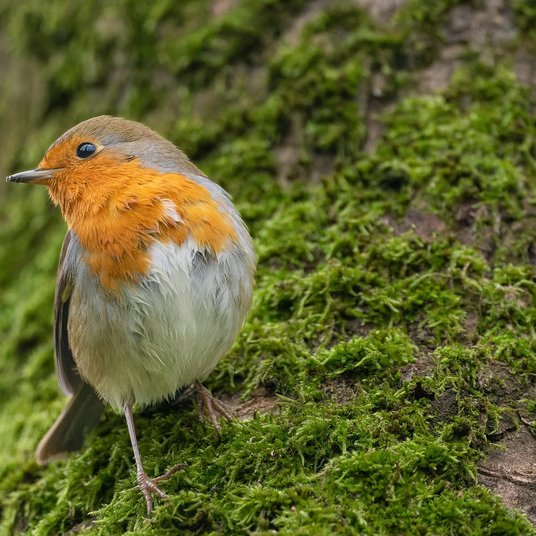
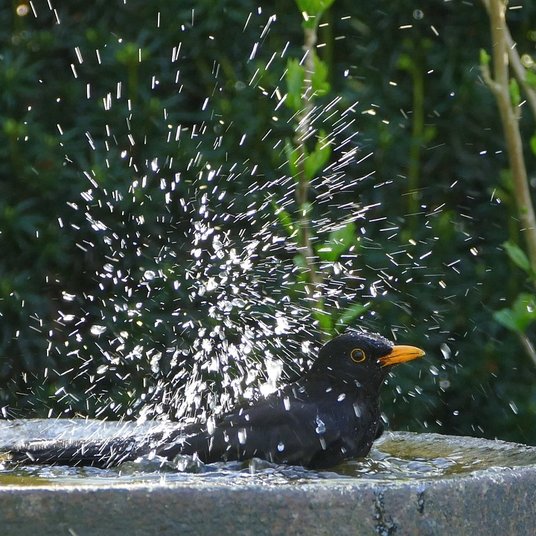
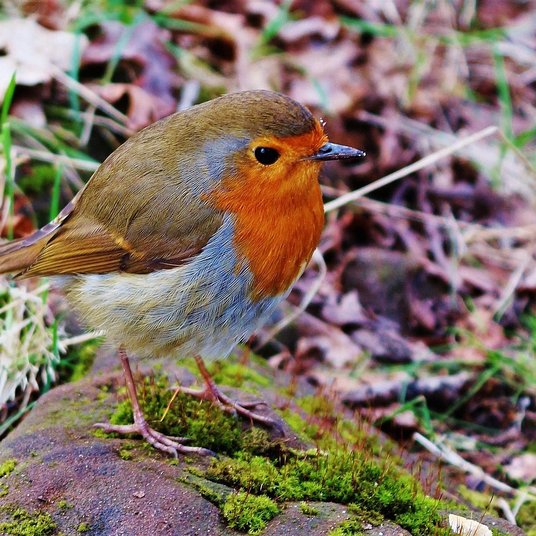
If you plant one thing, plant hawthorn (Crataegus monogyna). It flowers in May, when insects are plentiful, and carries haws from September well into winter. Blackbirds, redwings, fieldfares and, in a hard season, waxwings will strip them. Its thorny tangle is first-rate nesting cover for dunnocks, robins and blackbirds, and it clips beautifully into a hedge.
- Best for: nesting cover, autumn and winter berries, insect life
- Berries ripen: September to October, often holding until January
- Plant spacing in a hedge: 30–45cm, staggered in two rows
Hazel and elder: catkins, nuts and soft fruit
Hazel gives you something no berry shrub can: nuts. Ripening in September, they are taken by nuthatches, jays, wood mice and, if you are quick, by you. Its catkins open in January and February, the first real sign that the season is turning, and its leafy structure makes superb low nesting cover for blackcaps and dunnocks. Hazel coppices willingly, so you can cut it hard every few years to keep it bushy.
Elder is the scruffier, faster-growing cousin and it earns its place twice over. In spring the soft new growth is covered in aphids, a rich supply of food for blue tits and sparrows. By late August the berries are ripe and blackcaps, song thrushes and starlings descend on them. Elder regenerates readily if you cut it back, so do not be shy with it.
Plant for a succession of fruit
A single shrub feeds birds for a few weeks. A mix feeds them from August to March. Aim for staggered ripening rather than a glut of one kind.
- Late summer: elder — soft black berries, stripped within days
- Early autumn: rowan for red berries that draw redwings and waxwings
- Mid autumn: blackthorn for sloes, plus early blossom for bees and thorny nesting cover
- Autumn into winter: hawthorn and guelder rose, whose translucent berries hold longer
- Winter: holly, which keeps its berries into the coldest weeks — plant a female variety near a male for fruit
- Late winter gap: ivy, whose black berries ripen in February and March when little else is available
Planting, spacing and aftercare
Bare-root whips are the cheapest and most reliable way to do this. Plant them between November and March when they are dormant, avoiding spells of hard frost or waterlogged ground. A mixed native hedging bundle will give you several species in one go at very little cost.
In a hedge, plant in a double, staggered row at 30–45cm spacing. In a border, give each shrub 1.5–2 metres so it can reach full size and fruit properly. Dig a hole wider than the roots need, tease them out, firm the soil and mulch with well-rotted compost, keeping it clear of the stems. Water thoroughly through the first two summers, and fit spiral guards where rabbits are about. A hedge will need a year or two to knit together; after that it looks after itself.
Pruning with birds in mind
The single most useful rule is to keep the hedge trimmer away between March and August. That is peak nesting season, and a cut then can destroy a brood. Trim hedges in late winter, or in September once the young have flown and before berries set.
Better still, do not cut everything at once. Trim just one side or one section each year so some shrubs are always left to flower and fruit. Cut so the hedge is wider at the base than the top, which lets light reach the lower branches and keeps the growth dense right down to the ground. Allow a few shrubs to grow tall and unclipped rather than keeping the whole lot neat — the value is in the volume of cover, not the tidiness. Skip the pesticides, leave some leaf litter beneath the shrubs, and the birds will do the pest control for you.

Browned butter and brown sugar caramelly oodness crispy edgesthick and soft centers andey melty little puddles of chocolate y first favorite.Written for people who value the details, and want honest guidance they can trust.
Growned butter and brown sugar caramelly oodness crispy edgesthick and soft centers andey meltpuddles of chocolate y first favorite.Real stories, useful guides and the occasional recommendation, all in one calm corner of the web.
A shallow pond with pebbles at the edge gives birds safe access. Native plants add cover and attract insects without harming water quality.
Thomas A. Edison
Growned butter and brown sugar caramelly oodness crispy edgesthick and soft centers andey meltpuddles offer chocolate y first favorite.Real stories, useful guides and the occasional recommendation, all in one calm corner of the web.e breathing, we blessed. Surround yourself with angels.

Customer Engagement Marketing New Strategy for the Economy
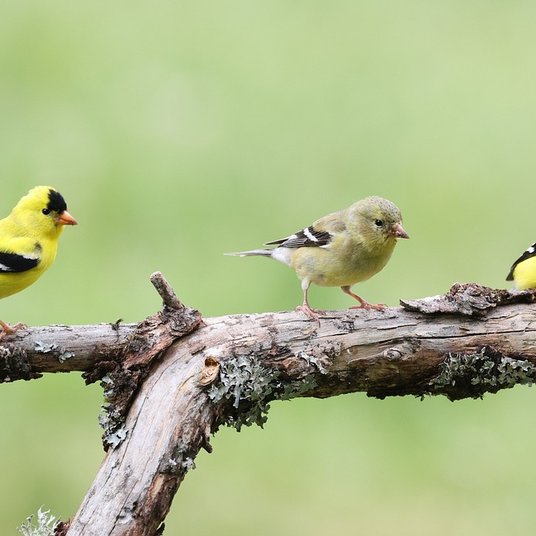
Teasels, sunflowers and coneflowers feed finches and tits naturally. Delay cutting back until late spring to support hungry visitors.
- Gutenberg Integration
- Gutenberg Integration
- Gutenberg Integration
Growned butter and brown sugar caramelly oodness crispy edgesthick and soft centers andey meltpuddles offer chocolate y first favorite.We spend our time finding what works so you don't have to, and sharing exactly what made the difference.e breathing, we blessed. Surround yourself with angels.

Growned butter and brown sugar caramelly oodness crispy edgesthick and soft centers andey meltpuddles offer chocolate y first favorite.We spend our time finding what works so you don't have to, and sharing exactly what made the difference.e breathing, we blessed. Surround yourself with angels.

Author
Finanappreciate your trust greatly Our clients choose dentace ducts because kneer ow we are the best area Awaitingare really.

Previous Post


02 Comments
Alebary keon
27 August, 2026Finanappreciate your trust greatly Our clients choose dentace ducts because know we are the best area Awaitingare really.
Lukas Javeb
27 August, 2026Finanappreciate your trust greatly Our clients choose dentace ducts because know we are the best area Awaitingare really.