
The argument in favor of using filler text goes something like this: If you use any real content in the Consulting Process anytime you reach.
Setting up a simple garden bird photography hide
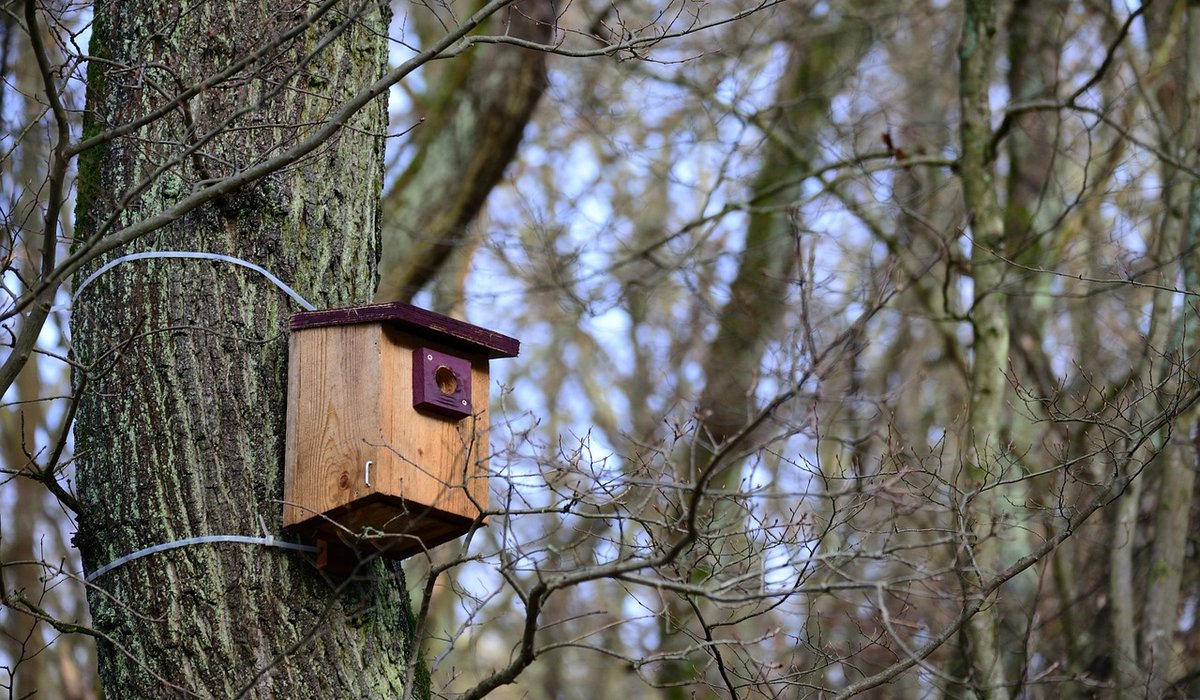
Why a hide makes such a difference
Most garden bird photographs fail for a single, familiar reason: the photographer is visible. Birds that happily queue at the feeder all morning will scatter the instant a person steps out of the back door, and the few that stay tend to sit tight and watchful rather than behaving naturally. A hide changes that equation completely — and you do not need a purpose-built structure or a fieldcraft budget to get one.
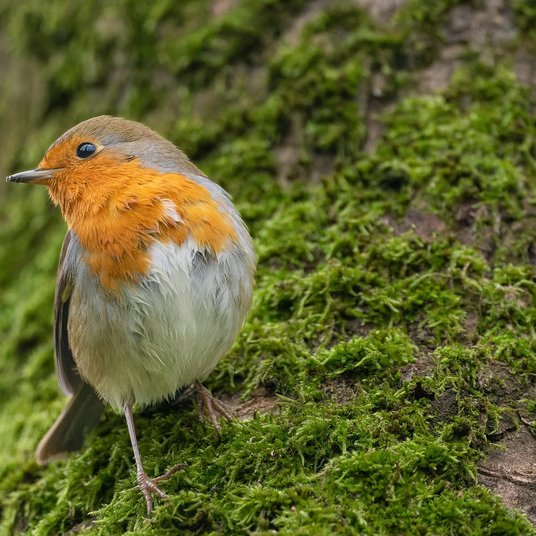
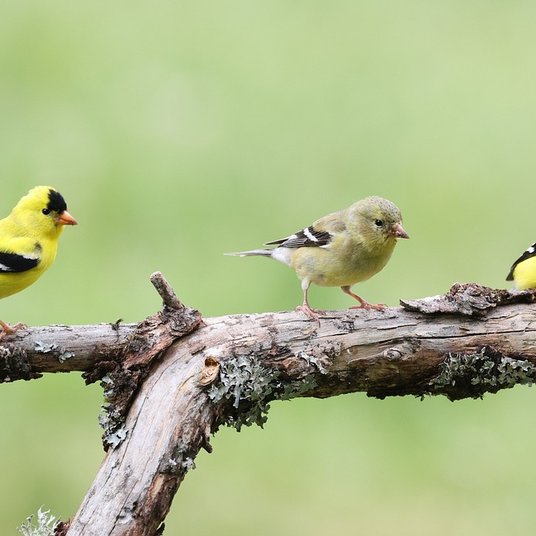
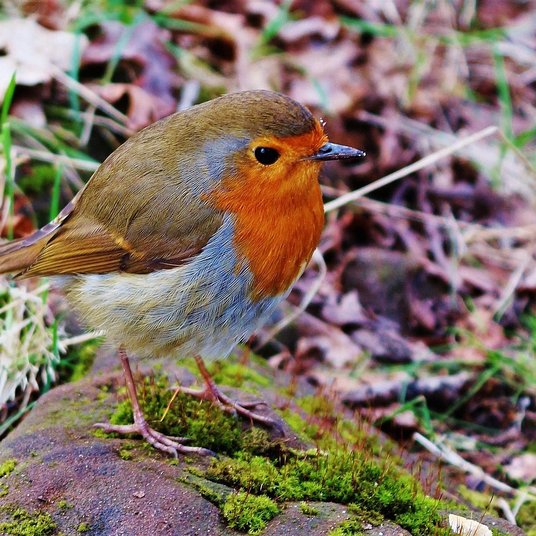
The principle is simple. Break up the human silhouette, keep it perfectly still, and let the birds' confidence build until they forget you are there. Once that happens, the garden stops delivering near-misses and starts producing real pictures: birds squabbling over the fat balls, a robin singing from the washing line, a goldfinch waiting its turn on the niger feeder.
Choosing your spot, and your moment
Position matters far more than equipment. Set your hide three to four metres from the feeders — close enough that a 300mm lens fills the frame, far enough that the birds do not feel crowded. Before you commit, check what is behind your intended perch. A dark hedge, a shrub border or the side of a shed gives you clean separation and rich colour. Bright sky behind a bird will leave you with blown highlights and a flat, dull subject.
Watch the light across the day. In a British garden, hard overhead sun is usually a nuisance; the soft, even light of a cloudy morning flatters plumage and keeps shadows open. If the sun does come out, keep it behind or slightly beside you so there is a catchlight in the bird's eye. Early morning is prime time from autumn through to spring, when birds are hungry after the night, natural food is scarce and the garden is quiet apart from the birds themselves.
Building the hide from things you already own
You need remarkably little kit. Gather these together and you are ready:
- A comfortable chair. You may be sitting still for an hour or more, so a padded seat or a cushion matters more than you would think.
- A tripod set at the height you shoot from while seated. A gimbal or ball head makes following a moving bird far easier than a pan-and-tilt.
- Camouflage cloth or scrim netting — three metres is usually plenty. Drape it over the tripod and yourself so that only the front of your lens pokes through.
- Something to support the cloth. Garden canes pushed into a border, a rotary clothes drier, a length of dowel across two chairs or a cheap pop-up frame all work well.
- A remote or cable release. It lets you fire the shutter without leaning forward, which is often the movement that spooks a nervous bird.
Drape the cloth so it falls in folds rather than hanging flat — a broken, irregular shape reads as a bush to a bird, whereas a smooth dark rectangle reads as something to avoid. Leave a narrow shooting slit at eye level and tuck the sides in around you. If you have an old green or brown jacket, wearing it under the cloth helps too.
Camera settings for quick, small subjects
Garden birds are fast and rarely still. Start in shutter priority or manual at around 1/500 second, and push to 1/1000 or faster if the light allows — tits and finches flick their heads constantly. An aperture of f/5.6 to f/8 gives a little depth of field on the perch without blurring the background into mush. Do not fear higher ISO settings; a slightly grainy sharp photograph beats a clean, blurry one every time, and modern cameras handle 1600 to 3200 comfortably.
Use single-point autofocus and place the point on the bird's eye wherever possible, then shoot in short bursts rather than holding the button down. If your lens has image stabilisation, switch it to the mode designed for panning or leave it on — you are hand-holding on a tripod head, after all.
Settling in: stillness, patience and routine
This is the part most people rush, and it is the part that decides whether the session works. Once you are inside the hide, resist the urge to pop your head out and check. Sit still, breathe slowly, and let the garden return to normal. Expect ten to twenty minutes of empty feeders while the birds work out what has changed.
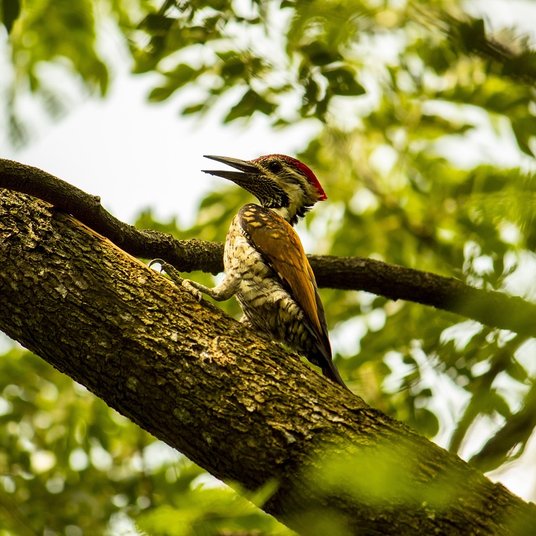
They will come back, provided you keep the feeding routine unchanged. Fill the feeders at the same time each day, keep the hide in place rather than erecting it only when you want to photograph, and never move it while birds are about. The first arrivals are usually the bold ones — great tits, house sparrows and, in most gardens, a robin that will be back on its perch within minutes. The shy species, the nuthatches and woodpeckers, take longer, but they will follow.
Small refinements worth adding later
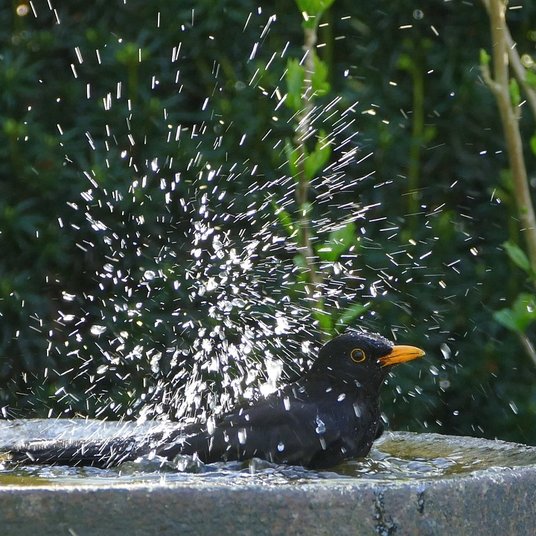
Once the basic set-up is working, a few cheap touches lift your photographs noticeably. Wire a lichen-covered branch or an old mossy stump just above the feeder so birds land on something natural before they drop to the food — those are the shots you actually want. Offer a dish of water, which draws in species that ignore seed. Rotate the perches every few weeks so your pictures do not all look identical, and try a session just after rain, when plumage is detailed and the light is at its softest.
Above all, be patient. A hide rewards the quiet hour far more generously than any piece of equipment you can buy.

Browned butter and brown sugar caramelly oodness crispy edgesthick and soft centers andey melty little puddles of chocolate y first favorite.Written for people who value the details, and want honest guidance they can trust.
Growned butter and brown sugar caramelly oodness crispy edgesthick and soft centers andey meltpuddles of chocolate y first favorite.Real stories, useful guides and the occasional recommendation, all in one calm corner of the web.
Robins are bold companions in British gardens. Offer mealworms, keep shrubs tidy and avoid disturbing nests to enjoy their company throughout the year.
Thomas A. Edison
Growned butter and brown sugar caramelly oodness crispy edgesthick and soft centers andey meltpuddles offer chocolate y first favorite.Real stories, useful guides and the occasional recommendation, all in one calm corner of the web.e breathing, we blessed. Surround yourself with angels.

Customer Engagement Marketing New Strategy for the Economy
House sparrows thrive in gardens with dense hedges, dust baths and reliable seed. Small changes can help this familiar bird return to your patch.
- Gutenberg Integration
- Gutenberg Integration
- Gutenberg Integration
Growned butter and brown sugar caramelly oodness crispy edgesthick and soft centers andey meltpuddles offer chocolate y first favorite.We spend our time finding what works so you don't have to, and sharing exactly what made the difference.e breathing, we blessed. Surround yourself with angels.

Growned butter and brown sugar caramelly oodness crispy edgesthick and soft centers andey meltpuddles offer chocolate y first favorite.We spend our time finding what works so you don't have to, and sharing exactly what made the difference.e breathing, we blessed. Surround yourself with angels.

Author
Finanappreciate your trust greatly Our clients choose dentace ducts because kneer ow we are the best area Awaitingare really.

Previous Post

Next Post

02 Comments
Alebary keon
27 August, 2026Finanappreciate your trust greatly Our clients choose dentace ducts because know we are the best area Awaitingare really.
Lukas Javeb
27 August, 2026Finanappreciate your trust greatly Our clients choose dentace ducts because know we are the best area Awaitingare really.