
The argument in favor of using filler text goes something like this: If you use any real content in the Consulting Process anytime you reach.
Using natural light for feeder bird photos
Why natural light is worth getting up for
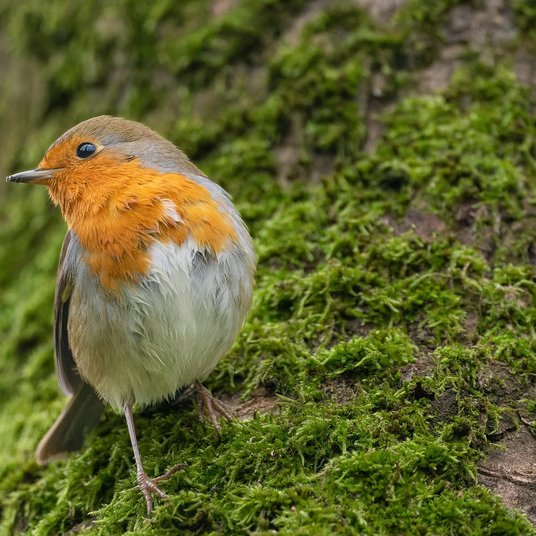
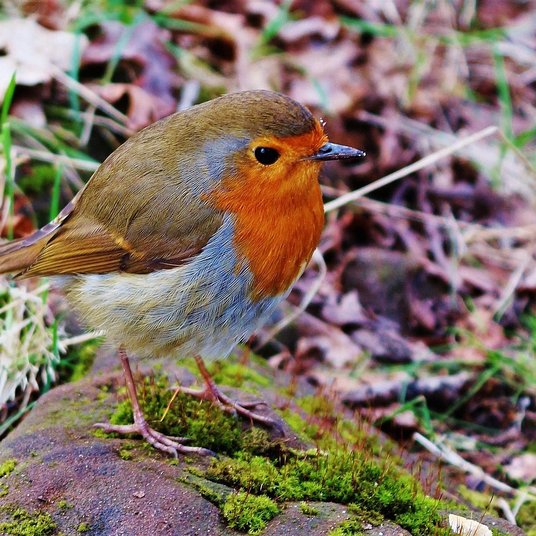
Feathers are extraordinary things. A blue tit's crown, the warm orange of a robin's breast, the iridescent sheen on a starling's shoulder — none of it looks its best under a hard, direct beam. Plumage needs soft, diffused light that wraps around the bird, revealing the fine detail of each feather without blowing out the pale areas or plunging the underside into black.
That is exactly what an early British morning provides, and it costs nothing. Soft light also suits the birds themselves: they are calmer, better fed and more willing to sit still in the first hours after dawn than at any other time of day.
Read your garden's light through the day
Spend a week noting where the sun falls and when. Every garden is different, but the broad pattern holds:
- First two hours after sunrise — the golden window. Low, warm light rakes across the garden and birds are at their busiest after a cold night.
- Mid-morning to mid-afternoon — usually the worst case in summer. High sun casts hard shadows and puts a dark band beneath every bird.
- Late afternoon to dusk — a second decent window, though light fades fast and the birds have other priorities.
- Overcast and drizzly days — the secret weapon. A flat grey sky acts as a giant softbox: colours are saturated, shadows vanish, and you can shoot at almost any hour.
Position yourself with the sun behind you
Stand or sit so the sun is over your shoulder, falling on the side of the bird you want to photograph. Front-on light is the simplest to expose correctly: the breast is lit, the background stays bright and your camera's meter has an easy job.
Then edge round a little — 20 or 30 degrees — so the light comes slightly from one side. That angle picks out feather texture and gives the bird some shape instead of flattening it.
A few practical points:
- Watch your own shadow. With the sun behind you it stretches forwards, straight at the feeder. Step sideways or crouch so it falls away from the bird.
- Get low. Shooting from bird height gives a much more intimate portrait and a cleaner background than looking down.
- Mind the reflections. Metal and shiny plastic feeders flare badly in direct sun; a matte or wooden one, or a slightly different angle, removes the glare.
- Shoot the perch, not the port. A natural twig just above the food gives you a tidy subject against a hedge rather than a bird half hidden behind mesh.
Working from a window
Most garden photographers shoot from indoors, and that is fine — provided you respect the physics. Glass steals light and can add a colour cast, so clean the pane on both sides and shoot square-on rather than at a steep angle. Turning off the room lights behind you cuts reflections. If the birds are used to an open window, use it; a few days of the same routine and your regular visitors will ignore it.
Outside, a small hide or a quiet corner behind a shed works well. Keep still, let the birds come to you, and remember that a chair and patience beat chasing around the lawn.
Why to leave the flash off near feeders
Flash looks like the obvious answer to a dull morning, but at a feeder it usually makes things worse. The light is hard and directional, mimicking the worst midday sun: blown highlights, brutal shadows and a glassy-eyed look on any bird facing you. Colours shift cooler too, so the warm browns of a dunnock or a wren turn flat and grey.
There is a practical cost as well. A burst of flash at close range can startle birds, and a feeding station is somewhere they need to feel safe. Frightened visitors may stop coming altogether. If the light really is too poor, most of us are better off:
- raising the ISO to 1600 or 3200 and accepting a little grain;
- opening the aperture to f/4 or f/5.6 for extra light;
- waiting for the bird to pause, then using around 1/200sec;
- or simply coming back at dawn.
If you must add light, keep it off-camera, heavily diffused and very subtle — but natural light almost always wins.
Small habits that sharpen everything
Once your position is right, a few details make a real difference:
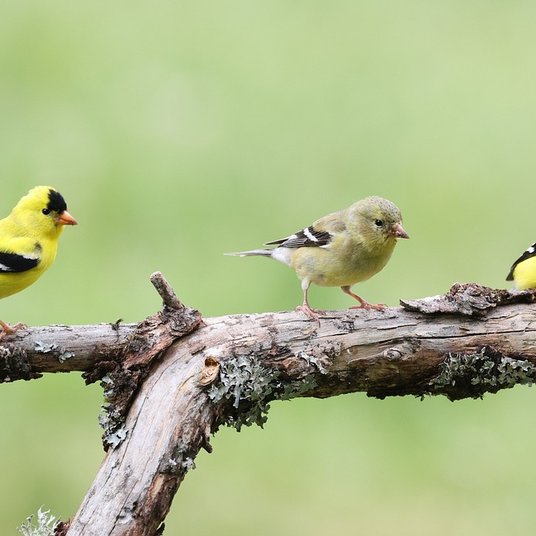
- Expose for the highlights. Pale birds clip easily — goldfinches, chaffinches, the white cheeks of a coal tit. Meter for the brightest plumage and let the shadows fall where they may.
- Focus on the eye. If the eye is sharp, small imperfections elsewhere rarely matter.
- Trust the histogram, not the screen. In bright sun a rear screen is hard to judge.
- Use at least 1/500sec for birds feeding or shuffling; small species twitch constantly.
- Return to the same spot. Learn where the light falls on one particular perch at one particular hour and you will stop taking lucky shots and start taking repeatable ones.
None of this needs expensive equipment. It needs you to notice the light, stand in the right place and be willing to come back tomorrow morning. Do that, and your feeder photographs will improve more in a fortnight than in a year of buying new gear.

Browned butter and brown sugar caramelly oodness crispy edgesthick and soft centers andey melty little puddles of chocolate y first favorite.Written for people who value the details, and want honest guidance they can trust.
Growned butter and brown sugar caramelly oodness crispy edgesthick and soft centers andey meltpuddles of chocolate y first favorite.Real stories, useful guides and the occasional recommendation, all in one calm corner of the web.
A chair, tripod and camouflage cloth make a basic hide. Stay still and quiet until birds return to their usual feeding routine.
Thomas A. Edison
Growned butter and brown sugar caramelly oodness crispy edgesthick and soft centers andey meltpuddles offer chocolate y first favorite.Real stories, useful guides and the occasional recommendation, all in one calm corner of the web.e breathing, we blessed. Surround yourself with angels.

Customer Engagement Marketing New Strategy for the Economy
Robins are bold companions in British gardens. Offer mealworms, keep shrubs tidy and avoid disturbing nests to enjoy their company throughout the year.
- Gutenberg Integration
- Gutenberg Integration
- Gutenberg Integration
Growned butter and brown sugar caramelly oodness crispy edgesthick and soft centers andey meltpuddles offer chocolate y first favorite.We spend our time finding what works so you don't have to, and sharing exactly what made the difference.e breathing, we blessed. Surround yourself with angels.

Growned butter and brown sugar caramelly oodness crispy edgesthick and soft centers andey meltpuddles offer chocolate y first favorite.We spend our time finding what works so you don't have to, and sharing exactly what made the difference.e breathing, we blessed. Surround yourself with angels.

Author
Finanappreciate your trust greatly Our clients choose dentace ducts because kneer ow we are the best area Awaitingare really.

Previous Post

Next Post

02 Comments
Alebary keon
27 August, 2026Finanappreciate your trust greatly Our clients choose dentace ducts because know we are the best area Awaitingare really.
Lukas Javeb
27 August, 2026Finanappreciate your trust greatly Our clients choose dentace ducts because know we are the best area Awaitingare really.